 Farmers Advisory
Farmers Advisory
Farmers Advisory
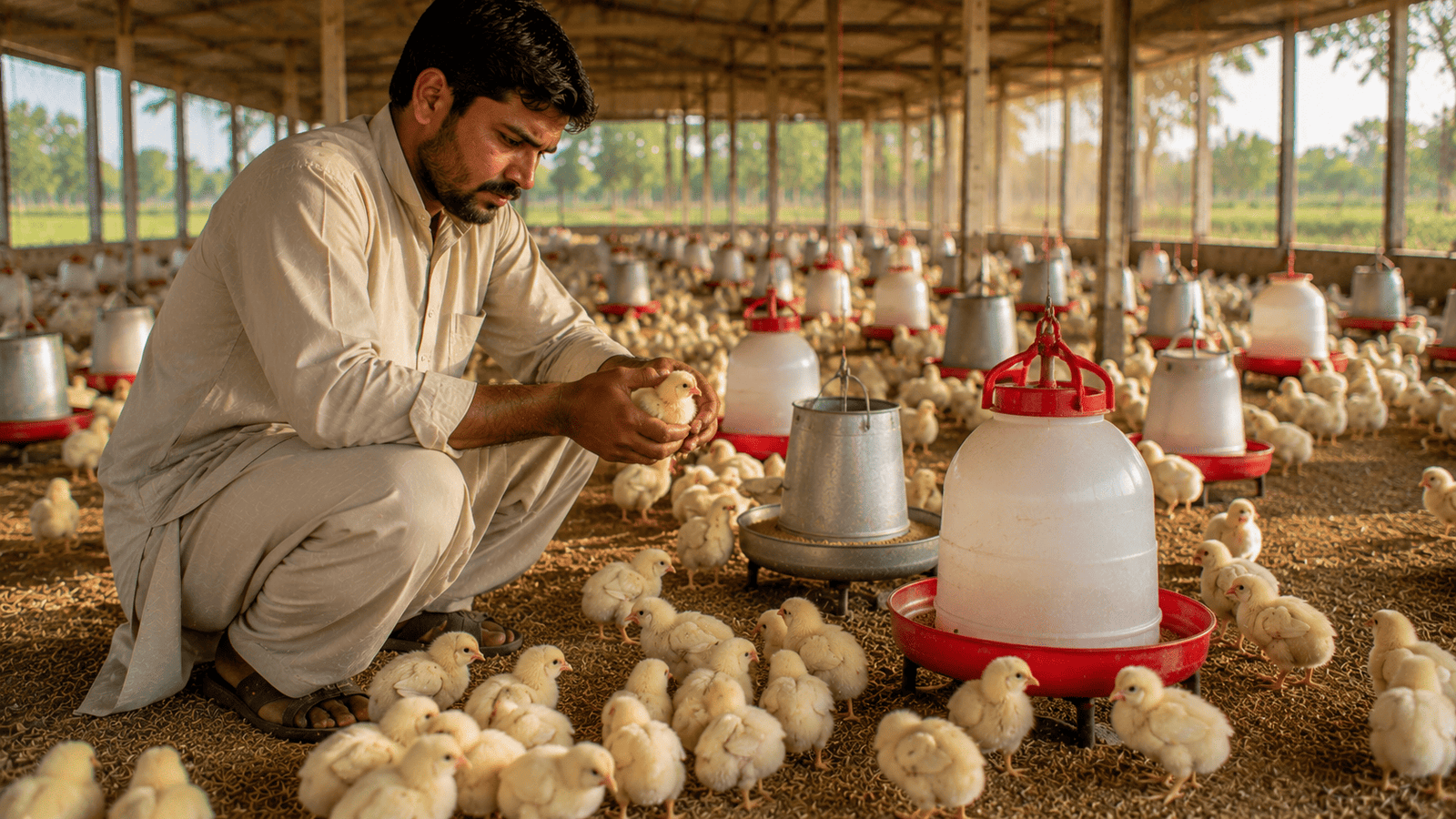
Poultry diseases fall into two very different categories, and knowing which one you're dealing with changes everything about your response. Bacterial infections are often treatable, especially caught early — but viral diseases like Newcastle disease and avian influenza have no cure, meaning prevention and biosecurity are your only real defense. This guide covers the most common poultry diseases and treatment options available in 2026, so you know exactly which situations call for treatment and which call for immediate biosecurity action.
| Disease | Reported Global Outbreaks | Most Affected Regions |
|---|---|---|
| Highly Pathogenic Avian Influenza (HPAI) | 489 cases | Germany, Hungary, India, Poland, Russia, Bulgaria, Moldova |
| Newcastle Disease (ND) | 52 cases | Primarily Russia and Sweden |
| Newcastle Disease (Nepal, single year) | 90+ outbreaks, 74,986+ birds affected | Over 7% of total national poultry mortality |
This distinction should guide your entire response strategy. Viral diseases like Marek's disease, Newcastle disease, avian influenza, and infectious bronchitis move quickly through a flock and typically have no cure — management focuses on prevention (vaccination where available) and biosecurity (limiting exposure to outside birds and contaminated equipment). Bacterial infections like Mycoplasma, infectious coryza, fowl cholera, and Salmonella are far more often treatable, especially when caught early with appropriate antibiotics under veterinary guidance.
Newcastle disease is a severe, systemic, often fatal viral disease caused by virulent strains of avian paramyxovirus type 1. Clinical signs include sudden death, lethargy, respiratory distress, nasal discharge, murky eyes, and in some cases neck twisting or paralysis of the legs and wings.
Highly Pathogenic Avian Influenza (HPAI) is considered globally the most significant poultry disease by mortality impact, capable of killing birds within 24-48 hours of onset.
Coccidiosis is a parasitic disease caused by six species of protozoa, and one of the most common issues in young or unvaccinated flocks. Symptoms include loose droppings, bloody or watery diarrhea, and weight loss with ruffled feathers.
Marek's disease is a viral disease typically affecting chickens between 12-25 weeks old, often causing paralysis and tumors.
Fowl Pox occurs in two forms: a dry form causing wart-like lesions on unfeathered skin, and a wet form causing lesions around the mouth with eye discharge.
Infectious bronchitis is a highly contagious viral respiratory disease, causing eye and nasal discharge, labored breathing, and drops in egg production and feed/water consumption.
Unlike the viral diseases above, these bacterial conditions are genuinely treatable in most cases, particularly with early intervention.
| Disease | Type | Key Signs | Treatable? |
|---|---|---|---|
| Newcastle Disease | Viral | Respiratory distress, paralysis, sudden death | No — prevention/biosecurity only |
| Avian Influenza (HPAI) | Viral | Sudden high mortality (24-48 hrs) | No — reportable disease |
| Coccidiosis | Parasitic | Bloody/watery diarrhea, weight loss | Yes — antibiotics/anticoccidials |
| Marek's Disease | Viral | Paralysis, tumors, ages 12-25 weeks | No — vaccinate at hatchery |
| Fowl Pox | Viral | Skin lesions, mouth sores | Self-resolving; supportive care |
| Infectious Bronchitis | Viral | Respiratory signs, drop in egg production | Supportive care; antibiotics for secondary infection |
| Mycoplasma / Coryza / Fowl Cholera | Bacterial | Respiratory signs, facial swelling | Yes — antibiotics, especially if caught early |
Globally, Highly Pathogenic Avian Influenza (HPAI) is considered the most significant poultry disease by impact, with 489 reported outbreaks worldwide between 2019-2024. Newcastle disease and coccidiosis are also extremely common, especially in backyard flocks.
No. No medication has been shown to impact the course of virulent Newcastle disease, and antivirals are not recommended. Prevention through vaccination and strict biosecurity is the primary effective measure.
Coccidiosis typically causes loose droppings, bloody or watery diarrhea, weight loss, and ruffled feathers. It responds well to antibiotics and anticoccidial medications when treated promptly.
No approved treatment exists for Highly Pathogenic Avian Influenza in most regions. It is a reportable disease in most countries, and suspected cases should be reported to veterinary authorities immediately.
New birds should be quarantined for at least 30 days before being introduced to an existing flock, giving time for signs of disease to appear before exposure risk to the main group.
The single most important distinction in poultry disease management is viral versus bacterial: viral diseases like Newcastle disease and avian influenza have no cure and demand immediate biosecurity action, while bacterial infections are often genuinely treatable, especially when caught early. Building strong quarantine and biosecurity habits, watching for early warning signs, and knowing when a situation calls for immediate veterinary and regulatory involvement — rather than home treatment — will protect your flock far more effectively than reacting after disease has already spread.
Want more poultry farming tips delivered to your inbox every week?
Subscribe to Farmers AdvisoryData sources: MSD Veterinary Manual Newcastle disease guidance (2026); LSU AgCenter common poultry diseases/parasites guide; UC ANR Cooperative Extension common avian diseases resource (April 2026); Manna Pro top chicken diseases guide (2025); FarmKeep chicken disease guide; and peer-reviewed epidemiological research on poultry disease prevalence in Kazakhstan and Nepal (NCBI/PMC). This article is for general educational purposes and is not a substitute for veterinary diagnosis or treatment. Current as of July 10, 2026.