 Farmers Advisory
Farmers Advisory
Farmers Advisory
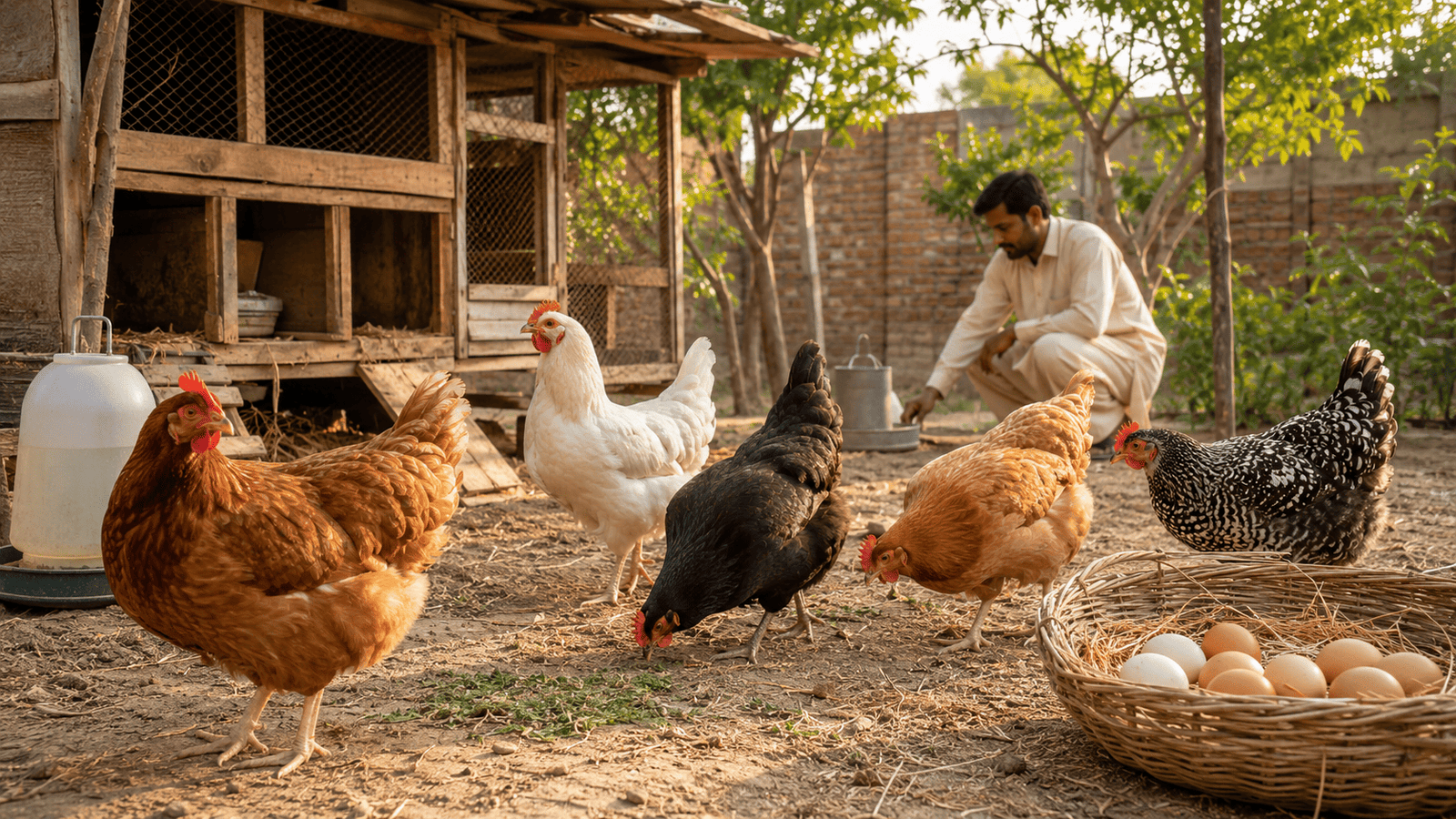
Most "best egg-laying breeds" lists just show a single year-one number and stop there — which is misleading, because the breed that dominates year one often isn't the breed that performs best over a flock's full lifetime. This guide ranks the best chicken breeds for egg laying in 2026 using both first-year and multi-year production data, so you can choose based on what actually matters for your goals: maximum eggs now, or steady production for years to come.
| Breed | Eggs/Year (Year 1) | Egg Color | Temperament |
|---|---|---|---|
| ISA Brown | 280-350 | Brown | Friendly, easy to handle |
| White Leghorn | 280-300+ | White | Active, can be flighty |
| Rhode Island Red | 200-300 | Brown | Hardy, beginner-friendly |
| Australorp | 250-350 | Brown | Calm, docile |
| Golden Comet | 250-320 | Brown | Friendly, high-performing hybrid |
| Wyandotte | 200-240 | Brown | Friendly, attractive plumage |
| Buff Orpington | ~180 | Brown | Very docile, good pet breed |
| Ameraucana / Easter Egger | 200-280 | Blue/green | Hardy, novelty egg color |
ISA Browns are a hybrid breed specifically developed for maximum early egg production, and they deliver — commonly producing 280-350 eggs in their first year, with some hatchery reports citing up to 350. The trade-off is longevity: because they're bred for intense early output, production often drops to 60-70% of peak by year three, a sharper decline than most heritage breeds show.
White Leghorns are considered the gold standard for commercial egg production, particularly for white eggs, commonly laying 280-300+ eggs per year. They also show the lowest feed cost per egg among commonly tracked breeds (around $0.18), making them a strong economic choice for anyone tracking cost-per-egg closely.
Rhode Island Reds are one of the most popular dual-purpose breeds, valued for both resilience and strong, sustained laying. While first-year output (200-300 eggs) doesn't always top the charts, long-term tracking data shows Rhode Island Reds sustaining 250-280 eggs/year through year five — one of the best lifetime production records of any commonly kept breed.
Australorps combine heritage-breed hardiness with genuinely strong production, commonly laying 250-350 eggs per year — an unusually high range for a breed that also holds up well over multiple years. Their calm, docile temperament also makes them a popular pick for mixed flocks with children or other pets.
Golden Comets are a high-performing hybrid layer, commonly producing 250-320 eggs per year with a friendly, easy-to-manage temperament, making them a solid middle-ground option between intense hybrid output and heritage-breed steadiness.
Wyandottes are attractive, friendly birds producing a more modest 200-240 eggs per year. They're often chosen as much for temperament and appearance as for raw production numbers, making them a good fit for backyard keepers who want reliable layers that also double as calm, personable pets.
Buff Orpingtons average around 180 eggs per year — noticeably lower than most breeds on this list — and carry the highest tracked feed cost per egg (around $0.42). They remain popular anyway for their exceptionally docile temperament, making them a common choice for family flocks prioritizing friendliness over maximum output.
Ameraucanas and Easter Eggers produce blue, green, or olive-tinted eggs, adding visual variety to an egg basket. Production (roughly 200-280 eggs/year) is solid though not typically class-leading, and these breeds are usually chosen for novelty egg color alongside respectable output.
One multi-year tracking study following 15 breeds across 6 years found a striking pattern: ISA Brown hybrids produced spectacularly in year one (around 295-317 eggs across four hens), but by year two those numbers dropped to 187-241, and by year three fell to just 150-180 eggs per bird. Meanwhile, Rhode Island Reds in the same study held steady at 249-271 eggs in year three — barely declining from their first-year numbers at all.
ISA Brown hybrids typically lead first-year production at 280-350 eggs per year. However, Rhode Island Reds and Australorps often produce more total eggs over a flock's full lifetime due to more sustained production in later years.
Rhode Island Reds, Australorps, and ISA Brown hybrids are commonly recommended for beginners due to their hardiness, calm temperament, and reliable egg production.
Most chickens begin laying between 18-20 weeks old, though it can take up to 32 weeks for some breeds. ISA Browns are a notable exception, sometimes starting as early as 16 weeks.
Yes. Multi-year tracking data shows hybrid breeds like ISA Brown can drop to 60-70% of peak production by year three, while heritage breeds like Rhode Island Red tend to decline much more gradually.
Ameraucana and Easter Egger chickens lay blue, green, or olive-tinted eggs, making them a popular choice for keepers wanting a colorful egg basket alongside solid production.
There's no single "best" egg-laying breed — only the best breed for your specific timeframe and goals. If you want maximum output this year, hybrid layers like ISA Brown are hard to beat. If you're planning to keep the same flock for five or more years, heritage breeds like Rhode Island Red and Australorp typically deliver better total lifetime value despite lower headline numbers in year one. Understanding this distinction — rather than chasing the single highest annual egg count — is what actually leads to a flock that meets your needs over time.
Want more poultry farming tips delivered to your inbox every week?
Subscribe to Farmers AdvisoryData sources: FarmKeep best chickens for eggs guide (2026); FarmBackyard top 15 egg-laying breeds ranked (May 2026); Kalmbach Feeds egg-laying breed guide (May 2026); IFA Co-op egg production guide (April 2026); My Gardening Journey UK beginner breed guide (2025-2026); Backyard Chickens Hub 6-year, 15-breed production tracking study (April 2026); Dine-A-Chook USA breed guide; and ChickenStarter top 10 breeds ranked (May 2026). Egg production figures vary by strain, environment, feed, and individual bird; multi-year figures are based on longitudinal tracking data rather than hatchery marketing claims. Current as of July 10, 2026.