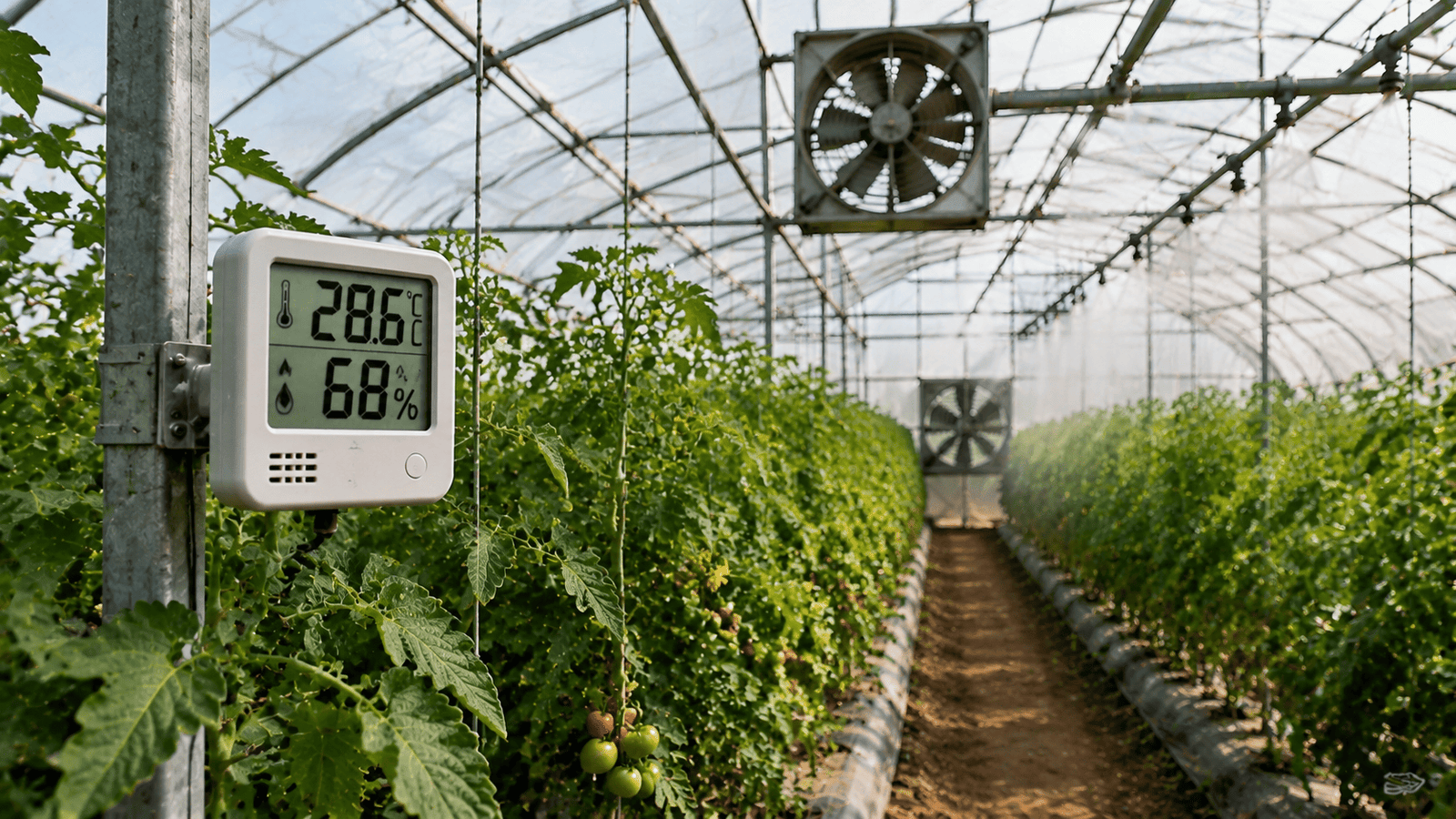
How to Build a Low-Cost Greenhouse: A Practical Guide (2026)
By Farmers Advisory Editorial Team ·
Published August 5, 2026 · Updated August 5, 2026 · 11 min read ·
Category: Greenhouse Farming
A low-cost greenhouse cuts expense by simplifying materials and automation — not by skipping the structural basics that keep it standing.
Building a greenhouse on a tight budget is entirely realistic — a basic hoop-style structure can be
assembled from widely available materials without specialized equipment. But "low-cost" and "poorly
built" are not the same thing, and confusing the two is how growers end up rebuilding after the first
strong wind or heavy snowfall. This guide walks through how to build a low-cost greenhouse
properly — site selection, frame and covering choices, foundation, ventilation, and the construction
sequence — while flagging where local conditions mean the "low-cost" version needs to give way to a
sturdier approach.
Key Takeaways
Low-cost construction means simplifying materials and automation, not skipping foundation, anchoring, or structural basics.
Local wind, rain, and snow conditions should determine frame spacing and anchoring — not a generic online plan built for a different climate.
Polyethylene film is the lowest-cost covering option but has a limited lifespan and needs periodic replacement.
Site selection (sun, drainage, wind exposure) affects performance and running costs as much as anything spent on the structure itself.
Where structural safety or local building codes are in question, get local professional input before building.
Low-Cost vs Unsafe: The Line That Matters
⚠️ Important
Low-cost construction should reduce expense through simpler materials, less automation, and manual
labor instead of purchased equipment — not through skipping foundation anchoring, adequate frame
spacing, or wind/snow-load bracing. A structure that collapses in a storm or blows away isn't
low-cost, it's a total loss. Where local wind, snow, or seismic conditions are significant, or where
building codes apply, get appropriate local professional guidance before building.
1. Choosing the Location
Pick a site with maximum sun exposure for your target crops — generally an open area away from
tall trees or buildings that cast shade during peak growing hours
Check natural drainage — a site that pools water after rain will cause problems inside the
greenhouse and around its foundation
Assess wind exposure; a site in a wind corridor increases both heat loss and structural stress,
and may need windbreaks or extra anchoring
Confirm reasonable access to water and, if needed, electricity, since running utilities long
distances adds cost quickly
Check local regulations or permitting requirements before committing to a site or design
2. Size and Design
Size the structure to your crop plan and budget, not the other way around — it's easier to expand
a proven small greenhouse than to fill and maintain an oversized one
A simple hoop or gothic arch design (see our
greenhouse types comparison) is generally the most cost-effective shape to build without
specialized skills
Plan door and vent placement during the design stage — retrofitting airflow into a finished
structure is more difficult and costly than building it in from the start
3. Frame Material
Common Low-Cost Frame Materials
Material
Relative Cost
Notes
PVC pipe
Low
Easy to work with by hand; less durable and more UV-sensitive than metal over time
Galvanized steel tubing
Low–Moderate
Common choice for hoop houses; good strength-to-cost ratio
Wood
Low–Moderate
Widely available and easy to modify; needs treatment for rot and insect resistance
Aluminum
Moderate–High
Durable and low-maintenance; higher material cost than steel or wood
4. Covering Material
Polyethylene film: the lowest-cost covering, widely used for hoop houses;
typically needs replacement every few years as UV exposure degrades the material
Shade cloth: useful as a supplemental layer or standalone covering in hot climates
or for shade-tolerant crops
Polycarbonate panels: more expensive than film but far more durable and better
insulating — a mid-tier option as budgets allow
Secure film covering tightly and evenly; loose film flaps in wind, accelerates wear, and can tear
at anchor points
💡 Quick Tip
Buy the heaviest-gauge polyethylene film your budget allows. The difference in upfront cost is small
relative to the difference in lifespan and wind resistance — a cheaper, thinner film often ends up
costing more over a few years of replacement.
5. Foundation and Anchoring
Ground posts driven or set into concrete are the typical low-cost anchoring method for hoop-style
structures
Anchor depth and spacing should reflect local wind conditions — a design copied from a calmer
climate can under-anchor a structure in a windier one
A full concrete foundation isn't required for most simple structures, but perimeter anchoring
still needs to be adequate for the local conditions
Level the site before construction; an uneven base stresses the frame unevenly over time
6. Ventilation, Irrigation, and Drainage
Roll-up sides or simple end vents provide low-cost natural ventilation adequate for many small
structures — see our greenhouse
ventilation guide for sizing and placement principles
A basic drip irrigation system is inexpensive relative to overhead sprinklers and reduces foliage
wetness, lowering disease risk
Grade the interior floor or beds slightly to avoid standing water, and ensure exterior drainage
routes water away from the foundation
7. Construction Sequence
Clear, level, and mark out the site according to the final structure dimensions
Set and anchor foundation posts or footings at the spacing specified for your frame design
Assemble and erect the frame, checking square and level as you go rather than only at the end
Install doors and vent openings before covering, so the covering can be fitted around them cleanly
Attach the covering material, working from one end to the other and keeping tension even
Secure all covering edges and seams against wind lift
Install irrigation lines and any interior bed structures
Do a final check of anchoring, covering tension, and vent operation before planting
8. Ongoing Maintenance
Inspect covering material periodically for tears, UV degradation, or loose fastenings, especially
after storms
Check anchoring points and frame connections at least once a season for looseness or corrosion
Clear snow promptly from structures not specifically designed to bear heavy snow load
Keep vents and doors operating freely — grit and debris buildup can jam simple mechanical vents
over time
Frequently Asked Questions
What is the cheapest way to build a greenhouse?
A simple hoop-style frame made from PVC pipe or galvanized steel tubing, covered with
polyethylene film, is generally the lowest-cost approach — but foundation anchoring and frame
spacing still need to match local wind and weather conditions.
How long does polyethylene greenhouse film last?
Lifespan varies with film quality, local UV exposure, and climate, so check the manufacturer's
rated lifespan for the specific product before purchasing, and inspect it periodically for
degradation regardless of its rated life.
Do I need a permit to build a greenhouse?
This depends entirely on your local jurisdiction and the size and permanence of the structure.
Check with local building authorities before construction, particularly for larger or permanent
structures.
Can I build a greenhouse without a concrete foundation?
Yes, many low-cost structures use anchored ground posts rather than a full concrete foundation.
The anchoring still needs to be adequate for local wind conditions, even without concrete.
What size greenhouse can I build myself without contractors?
Many growers successfully build smaller hoop-style structures themselves. Larger, more complex
designs like multi-span or high-tech greenhouses generally benefit from professional construction
input, particularly for structural and electrical work.
Conclusion
A low-cost greenhouse and a poorly built one are two different things — the money you save should
come from simpler materials and your own labor, not from skipping anchoring, adequate frame spacing, or
attention to local wind and snow conditions. Choose a site with good sun and drainage, size the
structure to your actual plan, and follow a deliberate construction sequence rather than rushing
straight to covering the frame. Done this way, a low-cost greenhouse can perform reliably for years
while leaving budget available for the irrigation, ventilation, and crop inputs that actually determine
what comes out of it.
Want more greenhouse farming guidance delivered to your inbox every week?
General construction framework informed by publicly available agricultural extension guidance on
low-cost greenhouse and high-tunnel construction. Material costs, film lifespans, and permitting
requirements vary by region and were intentionally left general — verify current local pricing,
building codes, and structural requirements before construction. Current as of August 5, 2026.
 Farmers Advisory