 Farmers Advisory
Farmers Advisory
Farmers Advisory
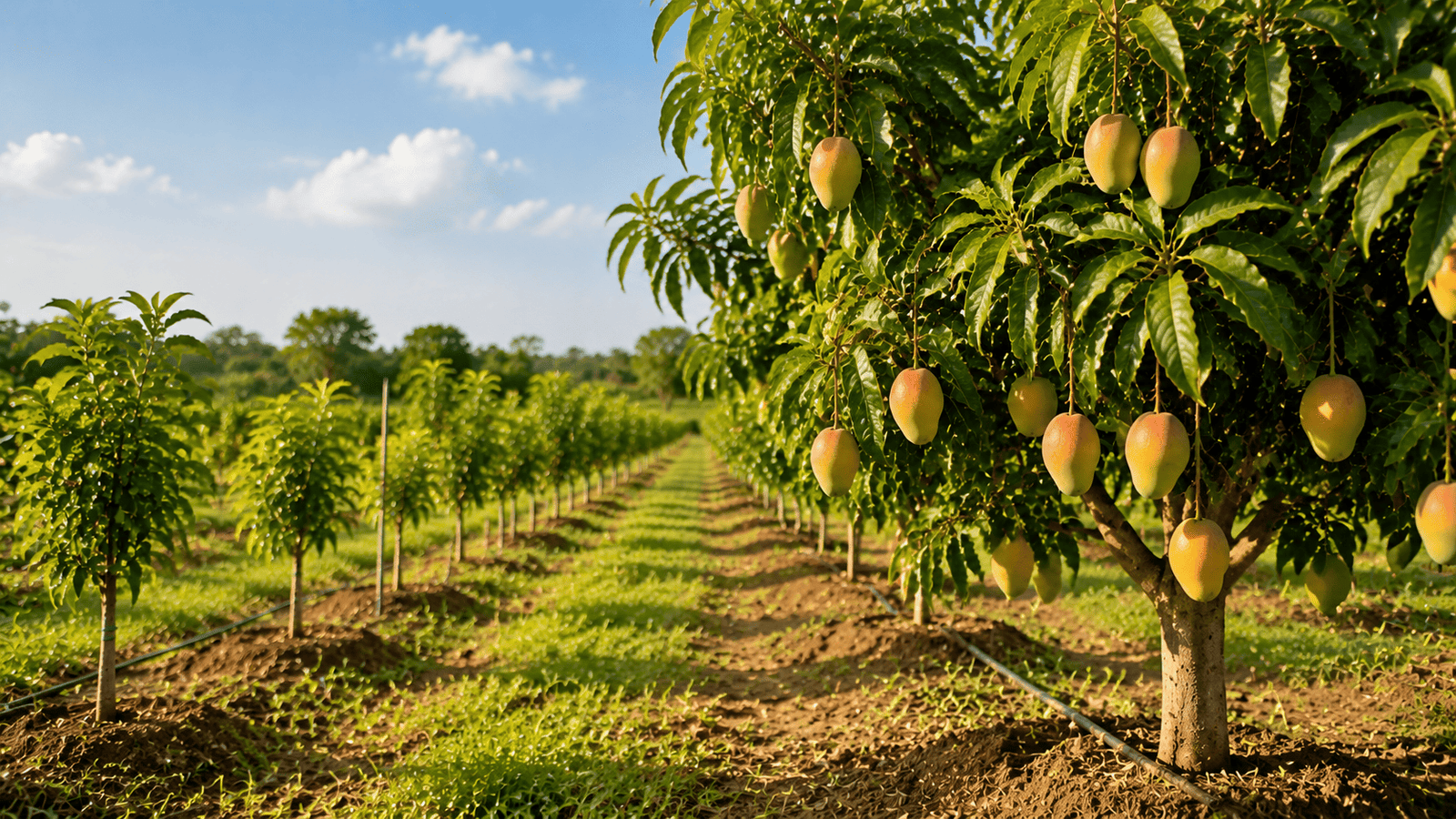
Citrus trees are naturally productive, but the gap between an average grove and a genuinely high-yielding one usually comes down to consistency: matching irrigation and nutrition to the tree's seasonal needs, keeping pests and disease in check, and pruning to keep the canopy productive rather than overgrown. This guide covers practical citrus farming tips for high yield in 2026 — site and rootstock selection, nutrition, pruning, and the fruit-set fundamentals that most directly affect how much fruit a citrus tree produces.
| Factor | Why It Affects Yield |
|---|---|
| Irrigation consistency | Irregular water stress during fruit development is a common cause of fruit drop |
| Rootstock | Affects vigor, disease tolerance, and eventual yield potential |
| Nutrition, including micronutrients | Deficiencies in zinc, manganese, or iron commonly show up as reduced yield and quality |
| Pruning intensity | Excess pruning removes fruiting wood; too little limits light and airflow |
| Pollination and pest pressure at bloom | Directly affects how much of the flower crop becomes harvestable fruit |
Citrus trees generally need a warm climate with protection from hard frost, particularly while young, though cold tolerance varies by species and variety. Well-drained soil is essential — citrus roots are notably intolerant of waterlogging, and poor drainage is a common cause of root disease and stunted trees. A soil test before planting reveals texture, drainage, and pH, since citrus generally prefers a specific pH range that varies somewhat by rootstock and region. Full sun exposure supports better flowering and fruit development than a partially shaded site.
Variety choice should balance climate suitability, market preference, and disease pressures common in the region — a local extension office or experienced regional grower is the best source for varieties with a proven track record locally. Rootstock choice is just as consequential: rootstocks differ in vigor, eventual tree size, cold tolerance, disease resistance (including resistance to soil-borne pathogens common in some citrus regions), and compatibility with local soil conditions. Because rootstock affects yield potential and disease resilience for the life of the planting, it deserves the same careful, locally informed research as variety selection rather than being treated as an afterthought.
Set trees at the same depth they grew in the nursery container, since planting too deep is a common cause of poor establishment and can encourage crown-level disease. Spacing depends on the variety's natural vigor, the rootstock's effect on eventual tree size, and the management system planned — closer spacing increases early yield per acre but requires more active management as trees mature and canopies begin to compete for light. A local extension office can recommend spacing proven for the varieties and rootstocks common in the region.
Citrus yield responds strongly to irrigation consistency. Drip or micro-sprinkler systems are widely used in commercial citrus because they deliver steady, controllable moisture rather than the feast- and-famine pattern that rainfall alone often produces. Water stress during fruit development is a common cause of fruit drop, while stress right around harvest can affect fruit size and, in some varieties, contribute to fruit splitting. Some citrus varieties also benefit from a deliberate, brief reduction in irrigation before the flowering period to help trigger bloom, though the practice and timing are regionally specific and best confirmed with local extension guidance.
Citrus has ongoing nitrogen, phosphorus, and potassium needs that shift with tree age and season, with mature bearing trees generally needing more nutrition than young, non-bearing trees. Beyond the major nutrients, citrus is particularly known for responding to micronutrients — zinc, manganese, and iron deficiencies commonly show up as yellowing patterns on leaves and are frequently linked to reduced yield and fruit quality in citrus specifically. Soil and leaf tissue testing are more reliable guides to a fertilization program than a generic schedule, since needs vary by rootstock, soil type, and region. See our fertilizer schedule guide for broader principles on timing nutrition to tree age and season.
Citrus generally needs lighter pruning than many deciduous fruit trees. The main goals are removing dead, diseased, or crossing wood, maintaining airflow through the canopy to reduce disease pressure, and keeping the tree at a manageable height for harvest. Because citrus fruits on a mix of older and newer wood depending on the variety, heavy pruning can remove a meaningful share of fruiting wood and reduce that season's yield, so pruning is generally kept light and routine rather than aggressive. See our guide to pruning fruit trees for general technique.
Citrus trees typically produce far more flowers than the tree can support as mature fruit, and a significant natural drop of flowers and small fruit is normal rather than a sign of a problem. Factors that influence how much of the flower crop converts to harvestable fruit include water consistency, nutrition, pollinator activity (citrus is largely self-fertile but many varieties still benefit from pollinator visits), and weather during bloom — cold snaps or heavy rain at flowering can reduce fruit set considerably. Consistent care through this window has more influence on eventual yield than any single input applied afterward.
Regular monitoring for common citrus pests and diseases, relevant to the region, allows problems to be addressed while still small and before they affect yield. Weeds around young trees compete for water and nutrients and should be controlled, particularly during establishment. See our guide on protecting fruit trees from pests for broader integrated pest management principles that apply to citrus as much as any other fruit crop.
Citrus fruit generally doesn't continue ripening much after picking, so harvest timing should be based on the maturity indicators appropriate for the variety rather than a fixed calendar date. Beyond the practices already covered, yield improvement over time usually comes from consistency rather than any single dramatic change — steady irrigation, a nutrition program guided by testing, light and regular pruning, and prompt attention to pest, disease, and drainage issues compound season over season. Because rootstock, variety, climate, and tree age all interact, published yield figures should be treated as general ranges, not guarantees for any individual orchard.
Frequent yield-limiting mistakes include inconsistent irrigation that swings between drought stress and waterlogging, fertilizing on a fixed schedule without soil or tissue testing, ignoring micronutrient needs specific to citrus, pruning too heavily and removing fruiting wood, and planting in poorly drained soil without addressing drainage first.
No single factor dominates, but irrigation consistency and matching nutrition (including micronutrients) to the tree's needs are two of the most common levers growers can influence directly.
Some natural drop of flowers and small fruit is normal. Heavier or unusual drop is often linked to inconsistent watering, nutrient deficiency, or stress during flowering and early fruit development.
Rootstock affects vigor, disease tolerance, and yield potential, and the best choice depends on local soil and disease conditions. A nursery or extension specialist familiar with your region is the best source for rootstock recommendations.
Generally, less than many growers assume. Light, routine pruning to remove dead or crossing wood and maintain airflow tends to support yield better than heavy pruning, which can remove fruiting wood.
No. Yield depends on the interaction of climate, rootstock, variety, tree age, and overall management, so no single input guarantees a specific result. Treat published yield figures as general ranges rather than promises.
High citrus yield is less about any single trick and more about consistency: steady irrigation through fruit development, nutrition guided by soil and tissue testing rather than guesswork, light and regular pruning, and prompt attention to pests, disease, and drainage. Site and rootstock decisions made at planting set the ceiling, and season-over-season consistency in management determines how close a grove actually gets to it.
Want more fruit farming guidance delivered to your inbox every week?
Subscribe to Farmers AdvisoryGeneral guidance in this article draws on publicly available horticultural resources from university agricultural extension services and citrus research institutions. Rootstock performance, nutrition needs, and yield outcomes vary significantly by region, variety, and management — consult a local extension office or citrus specialist for guidance specific to your area. Current as of August 2026.