 Farmers Advisory
Farmers Advisory
Farmers Advisory
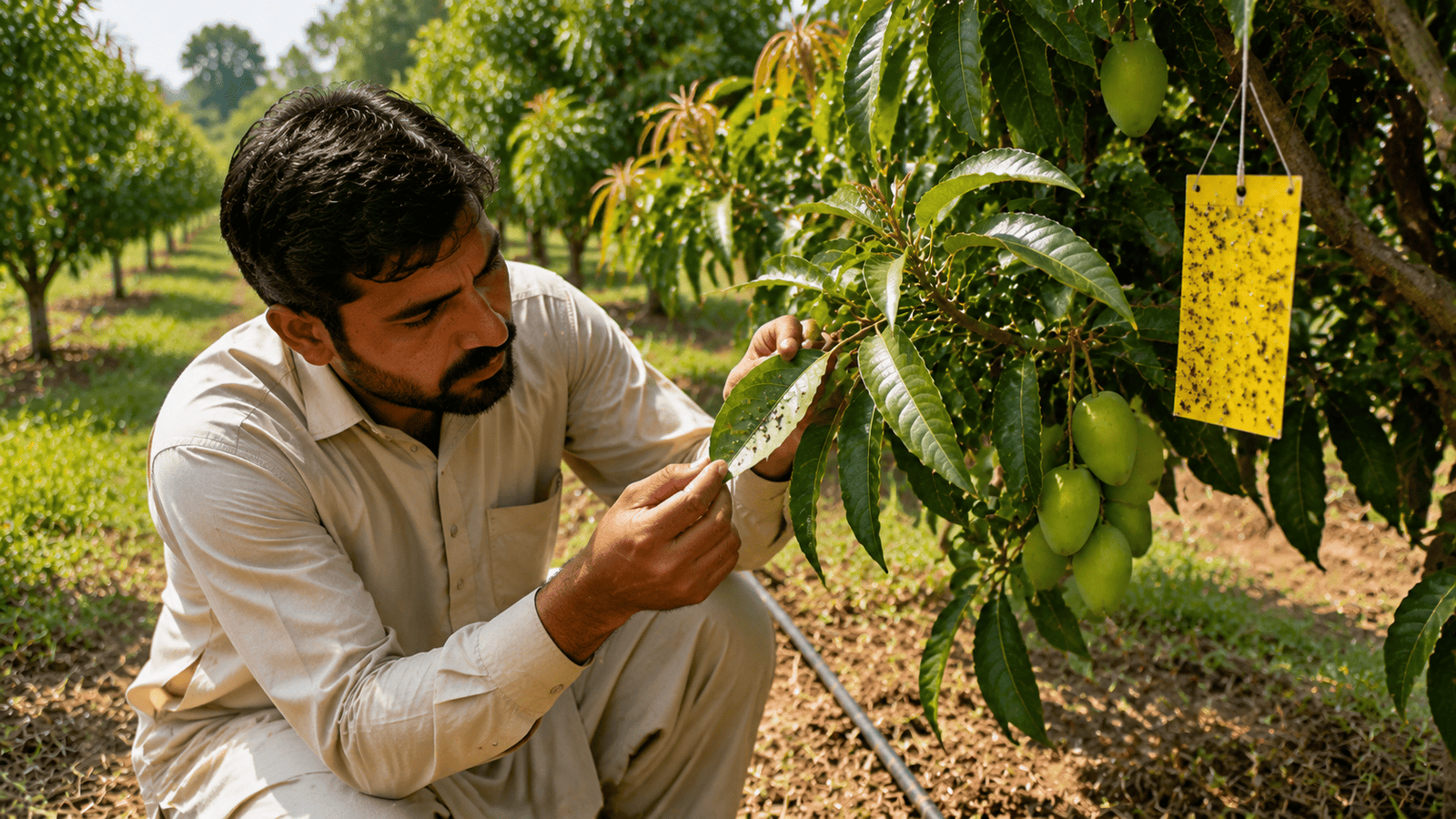
There's no single answer to how long fruit trees take to produce fruit — it depends on the species, whether the tree is grafted or grown from seed, the rootstock, and the growing conditions it's planted into. What's consistent across almost every fruit tree is the gap between a tree's first few fruits and full commercial production, which is usually longer than beginners expect. This guide explains what drives that timeline and gives approximate ranges for common fruit trees — treated as general guidance, not guarantees for any individual tree.
| Fruit Tree | Approximate Years to First Fruit | Notes |
|---|---|---|
| Fig | ~2–3 years | Among the faster fruiting trees; container-grown figs may fruit even sooner |
| Peach / nectarine | ~2–4 years | One of the quicker stone fruits to bear |
| Apple (dwarf/semi-dwarf rootstock) | ~2–4 years | Standard (full-size) rootstock takes considerably longer |
| Citrus (grafted) | ~2–4 years | Light early fruit set; full production takes longer |
| Apricot | ~3–4 years | Similar range to plum |
| Plum | ~3–5 years | Varies by type (European vs. Japanese) and rootstock |
| Mango (grafted) | ~3–5 years | Seed-grown mango trees can take considerably longer |
| Avocado (grafted) | ~3–5 years | Seed-grown avocado can take a decade or more |
| Pear | ~4–6 years | Generally slower to bear than apple on comparable rootstock |
| Sweet cherry | ~4–7 years | Among the slower common fruit trees to reach bearing age |
Figures above are general approximations drawn from widely cited horticultural ranges and will vary by variety, rootstock, climate, and management. Confirm expectations for a specific variety with a local nursery or extension office.
Grafting or budding joins a piece of a proven, fruit-bearing variety onto a separate rootstock. Because the fruiting portion of the tree already comes from mature, flowering stock, grafted and budded trees skip much of the juvenile period a seed-grown tree has to pass through on its own, and they reliably reproduce the parent variety's fruit quality. Seed-grown trees, by contrast, start from scratch: they must pass through their own full juvenile period before they can flower at all, and because most fruit tree species don't grow true from seed, the resulting fruit often differs from the parent tree in ways that are unpredictable until the tree finally bears. For these reasons, nearly all commercial orchards and most home fruit trees are grafted or budded rather than grown from seed.
Fruit trees pass through a genuinely juvenile phase during which they cannot flower regardless of how well they're cared for — it's a developmental stage tied to the tree's physiological maturity, not simply a matter of size or age in years. Grafting shortens this phase dramatically because the grafted material is taken from wood that has already passed through juvenility on the parent tree. This is the core reason grafted trees bear so much sooner than seedlings of the same species.
A young tree's first fruit is typically light — a handful of fruits rather than a meaningful harvest — and yield increases gradually over the following years as the tree's canopy, root system, and fruiting wood expand. Depending on species and rootstock, reaching commercial-scale production can take several years beyond the first fruit. Growers planning an orchard business should budget for this gradual ramp-up rather than treating the "years to first fruit" figure as the point profitability begins — see our guide on starting a fruit orchard business for more on planning around this gap.
Where rootstock choice is available, it has a substantial effect on how soon a tree bears. Dwarfing and semi-dwarfing rootstocks generally bring trees into bearing sooner than vigorous, full-size rootstocks, partly because they direct more of the tree's early energy toward flowering rather than vegetative growth. The trade-off is usually a smaller mature tree and, in some cases, a shorter productive lifespan than a tree on a more vigorous rootstock — so rootstock selection is a genuine trade-off between earlier bearing and other characteristics like eventual size, anchorage, and longevity, not a decision with an obviously "best" answer.
Even with the right rootstock, growing conditions strongly influence how closely a tree follows a typical timeline. Trees stressed by poor drainage, inconsistent irrigation, nutrient deficiency, or an unsuitable climate often take longer to reach bearing age than the same variety grown under favorable conditions, since the tree prioritizes survival and root establishment over reproduction when stressed. Consistent, appropriate care during the first several years — matched to the species' actual needs rather than a generic routine — gives a tree the best chance of bearing within the typical range for its type.
A tree can be old enough and healthy enough to flower and still fail to set fruit if pollination requirements aren't met — some varieties need a compatible pollinizer tree nearby, and most fruit trees depend on adequate pollinator activity during a relatively narrow bloom window. A tree that flowers but doesn't fruit isn't necessarily behind schedule; the cause is often a pollination gap rather than a timing problem. Overall tree health also matters: a tree weakened by pest pressure, disease, or prolonged stress may delay fruiting even after reaching physiological maturity.
Among common fruit trees, fig and peach are frequently cited as some of the quicker species to bear, often within roughly two to four years when grafted or budded, though exact timing still depends on rootstock and growing conditions.
Most grafted trees still need a few years to reach bearing age, and stress from poor drainage, nutrient deficiency, or an unsuitable site can extend that further. Pollination gaps and cold damage to flower buds are also common reasons a tree flowers without setting fruit.
No. Even trees of the same variety and rootstock vary somewhat based on individual growing conditions, site, and care, so treat published timelines as general ranges rather than a fixed schedule every tree will follow exactly.
Not necessarily. Fruiting is tied to physiological maturity and rootstock, not simply overall size — a large, vigorously growing tree can sometimes take longer to bear than a smaller tree on a dwarfing rootstock designed to bring it into production sooner.
Some growers remove or limit very early fruit on young trees so energy goes into root and structural growth rather than fruit production, which can support stronger long-term yield, though practices vary by species and grower.
How long a fruit tree takes to produce fruit comes down to a combination of factors working together: whether it's grafted or seed-grown, which rootstock it's on, the species itself, and the growing conditions it's given. Grafted trees on appropriate rootstocks reach bearing age far sooner than seedlings, but even then, the jump from first fruit to full commercial production takes further years. Treat any timeline as a general guide, keep growing conditions consistent, and be patient with the gap between planting and a meaningful harvest.
Want more fruit farming guidance delivered to your inbox every week?
Subscribe to Farmers AdvisoryGeneral guidance and approximate timelines in this article draw on widely cited horticultural ranges from university agricultural extension services. Actual time to first fruit and to commercial production varies by variety, rootstock, climate, and management — consult a local nursery or extension office for guidance specific to the trees and region you're planting in. Current as of August 2026.