 Farmers Advisory
Farmers Advisory
Farmers Advisory
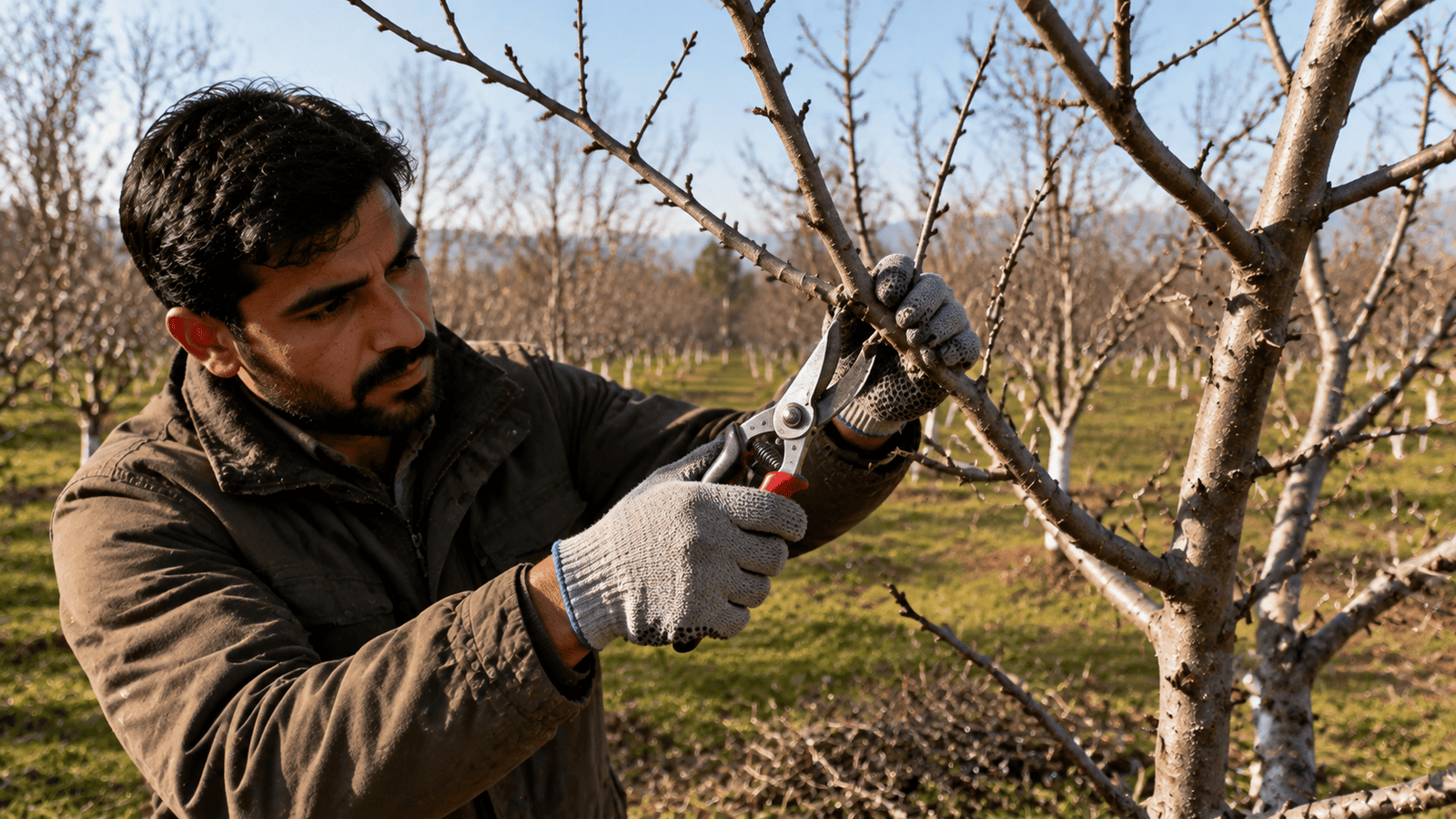
Search "how to make fruit sweeter" and you'll find a lot of confident advice about a single fertilizer, spray, or trick that supposedly does the job. In reality, fruit sweetness is the result of many factors working together across an entire growing season, and no single input reliably overrides the rest. This guide covers how to increase fruit sweetness naturally by explaining what actually influences sugar content — and just as importantly, what growers can't easily change no matter what they apply.
Variety is one of the biggest determinants of how sweet a fruit can potentially become — some cultivars are simply bred or selected for higher sugar content than others, and no amount of management will make a naturally tart variety taste like a naturally sweet one. Management practices influence how close a given tree gets to its variety's genetic potential; they don't override that potential. Choosing a variety known for good eating quality in the target climate is the starting point sweetness management builds on, not a substitute for it.
Sugars in fruit come from photosynthesis, so sunlight reaching the leaves — and, to some extent, the fruit itself — has a direct effect on sugar accumulation. A dense, shaded canopy reduces the photosynthetic capacity feeding fruit development, which is one reason pruning for light penetration is often linked to better fruit quality, not just tree shape. See our guide to pruning fruit trees for technique that supports canopy light penetration.
Water management affects sweetness in ways that vary by species and growth stage. Chronic water stress generally reduces the leaf function that drives sugar production, while excess water, particularly close to harvest, can dilute sugar concentration in some fruit types. Some growers deliberately reduce irrigation during a specific pre-harvest window for certain fruit types to concentrate sugars, though the practice, timing, and effectiveness are species-specific and can also increase the risk of fruit splitting or other quality problems if not managed carefully — this is a nuanced practice best guided by regional, crop-specific advice rather than applied as a general rule.
Overall tree nutrition supports the general health needed for good fruit development, and potassium specifically is commonly linked to fruit quality, including sugar accumulation, in various fruit species. That said, potassium isn't a standalone "sweetness switch" — a tree with adequate nutrition overall, guided by soil and tissue testing, supports sweetness better than chasing one nutrient in isolation. See our fertilizer schedule guide for a framework on building tree-appropriate nutrition rather than a fixed formula.
A tree carrying more fruit than its leaf canopy can adequately support tends to produce smaller, less sweet fruit, since the tree's photosynthetic output is spread across more fruit rather than concentrated. Thinning excess fruit, done at an appropriate stage for the species, lets remaining fruit access a larger share of the tree's sugar production, often improving sweetness and size — generally at the cost of total yield, which is the trade-off thinning represents rather than a way to get more of everything at once.
A generally healthy tree with a functioning root system supports better fruit quality than a stressed one, since water and nutrient uptake both depend on root health. Soil conditions — drainage, structure, and nutrient-holding capacity — set the foundation for that root health, and while soil type itself is hard to change fundamentally, amendments and good drainage management can improve how well a tree performs within its soil's constraints. Chronic stress from disease, pests, or poor drainage competes with fruit development for the tree's limited resources, which can show up as reduced sweetness among other quality effects.
Temperature, particularly the difference between day and night temperatures during fruit ripening, influences sugar accumulation in many fruit species — cooler nights during ripening are often associated with better flavor and sugar retention in various fruits, though this is a climate factor growers generally can't control. Choosing varieties and, where there's flexibility, sites suited to the local temperature pattern is more practical than trying to influence temperature directly.
Many fruits accumulate a meaningful share of their final sugar content in the days or weeks just before full maturity, and fruit picked before that point often never reaches the sweetness it would have on the tree, since sugar development in many species relies on ripening while still attached to the plant. Picking at true maturity for the variety, rather than early for shipping durability or convenience, is one of the most direct ways growers influence the sweetness of what's actually harvested.
Be skeptical of any claim that a single fertilizer, foliar spray, soil amendment, or home remedy reliably and substantially increases sweetness on its own. Sweetness responds to the combined effect of genetics, sunlight, water, nutrition, crop load, and maturity — isolated products marketed as sweetness boosters rarely have strong, consistent evidence behind them, and relying on one can distract from the fundamentals that actually drive fruit quality.
Not reliably on its own. Overall nutrition supports fruit quality, but sweetness depends on sunlight, water management, crop load, and maturity working together, not any single fertilizer applied in isolation.
In some species, a controlled reduction in irrigation before harvest can concentrate sugars, but the practice is species-specific and risky if overdone, potentially causing fruit splitting or other quality problems. It's not a universal technique to apply without guidance.
Common reasons include picking before full maturity, a heavy crop load spreading the tree's resources thin, inadequate sunlight from a dense canopy, or inconsistent water and nutrition. Genetics and climate also set a ceiling that management can't fully override.
Be cautious of products marketed this way. Sweetness responds to the tree's overall growing conditions across the season rather than a single spray, and claims of a standalone sweetness-boosting product generally aren't well supported.
Often, yes, within reason. Reducing crop load lets remaining fruit access more of the tree's resources, which can improve sweetness and size, though it also reduces total yield — a trade-off rather than a free improvement.
Increasing fruit sweetness naturally comes down to supporting the fundamentals across a full season — full sun exposure, consistent water management, balanced nutrition, a reasonable crop load, and picking at true maturity — rather than reaching for a single late-season fix. Genetics and climate set real limits that no input overrides, but within those limits, consistent management across the growing season does more for sweetness than any individual product ever will.
Want more fruit farming guidance delivered to your inbox every week?
Subscribe to Farmers AdvisoryGeneral guidance in this article draws on publicly available horticultural resources from university agricultural extension services and fruit quality research. The relative importance of each factor varies by species, variety, and region — consult a local extension office for guidance specific to your crop. Current as of August 2026.