 Farmers Advisory
Farmers Advisory
Farmers Advisory
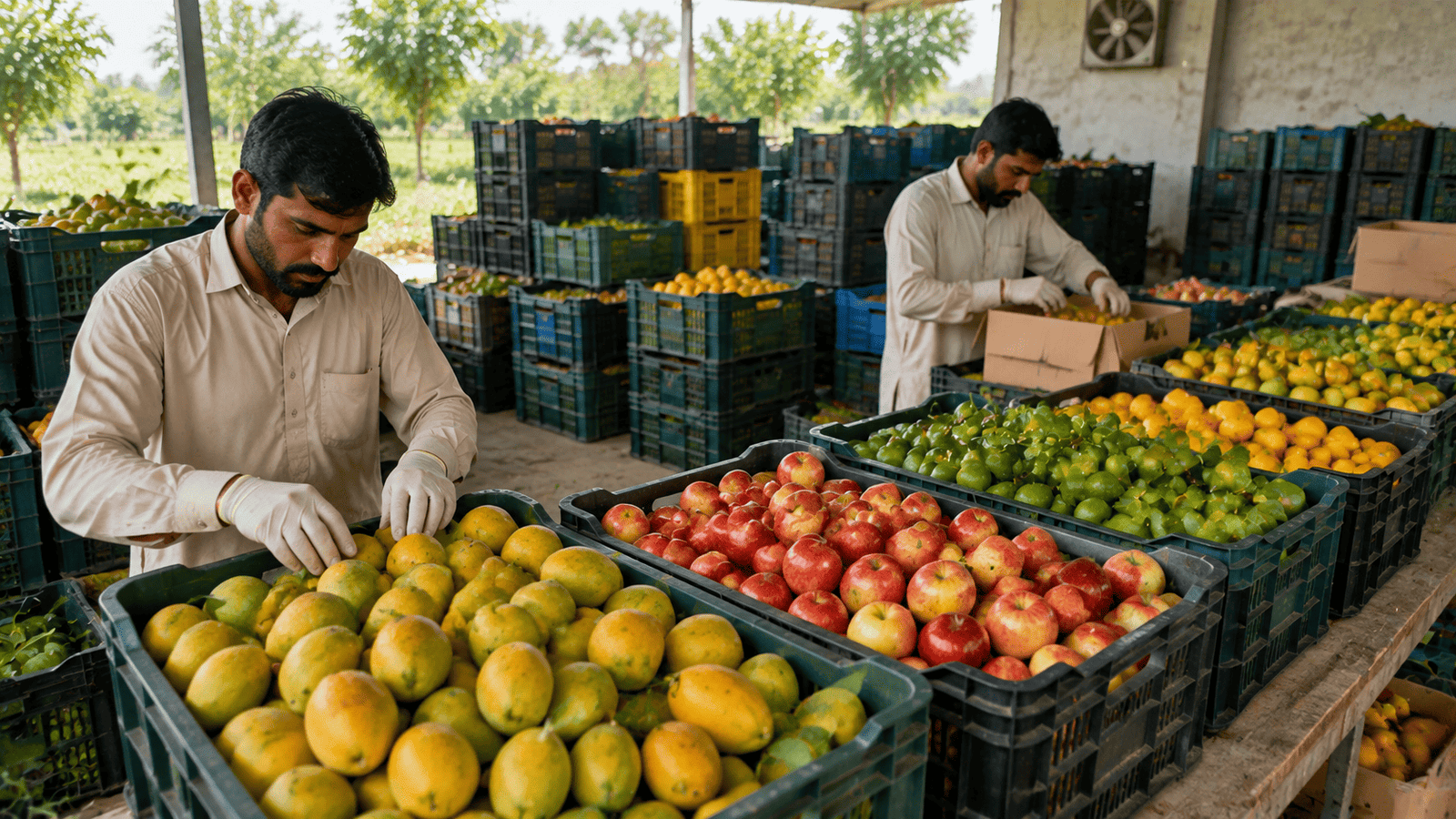
Mangoes reward patient growers with one of the most productive fruit trees available in warm climates, but the crop is unforgiving of a few early mistakes — the wrong rootstock, poor drainage, or a planting site with inadequate winter dryness can undercut yields for years. This guide covers mango farming for beginners in 2026: climate and soil requirements, choosing grafted planting material, spacing and planting, ongoing care through flowering and fruit set, and what to expect at harvest.
| Factor | General Guidance |
|---|---|
| Climate | Tropical/subtropical, frost-sensitive, needs a distinct dry season for flowering |
| Soil | Deep, well-drained; poor tolerance for waterlogging |
| Planting material | Grafted trees strongly preferred over seedlings for commercial planting |
| Time to first fruit | Varies by rootstock and variety — grafted trees bear years sooner than seedlings |
| Water needs | Regular irrigation while young; reduced water helps trigger flowering in mature trees |
Mangoes are tropical and subtropical trees that do best with warm temperatures year-round and are sensitive to frost, particularly while young. A distinct dry period is important around flowering time — rain and high humidity during bloom encourage fungal disease and interfere with pollination, both of which reduce fruit set. Full sun exposure is essential; a site shaded for part of the day will produce a weaker, less productive tree. Elevated or gently sloping sites that avoid frost pockets and standing cold air are generally preferable to low-lying spots in marginal climates.
Mango trees tolerate a range of soil types but need good drainage above almost everything else — they are notably intolerant of waterlogged roots, and poor drainage is one of the fastest ways to lose young trees. Deep soil supports the extensive root system a mature mango tree develops. A soil test before planting reveals texture, drainage characteristics, and pH, and helps identify any amendments needed ahead of planting rather than after trees are already struggling.
Mango varieties differ in flavor, fiber content, disease resistance, and climate tolerance, so variety choice should be guided by what performs well locally and what the target market prefers — a local nursery or extension office is the best source for varieties proven in your specific region.
Clear the site of existing vegetation and correct major soil issues identified by testing before planting. Dig planting holes wide enough to accommodate the root ball without crowding, and set trees at the same depth they were growing in the nursery container — planting too deep is a common cause of poor establishment. Spacing depends on variety vigor and the training system planned, with more vigorous varieties needing considerably more room than compact or dwarf types; a local extension office can recommend spacing proven for the varieties and management style chosen. Stake young trees in windy sites and protect trunks from sunscald and animal damage while bark is still thin.
Young trees need consistent watering to establish a strong root system, tapering as trees mature and develop deeper roots. In many growing regions, deliberately reducing irrigation for a period before the expected flowering season helps trigger uniform bloom, though the practice and timing depend heavily on local climate and should be guided by regional extension advice rather than a fixed rule.
Fertilization needs shift with tree age — young trees benefit from steady, moderate feeding to build structure, while mature bearing trees have different nutrient demands tied to flowering and fruit development. Micronutrients, particularly zinc and boron, are commonly linked to mango fruit set and quality in many growing regions, but deficiencies and needs vary by soil, so a soil or leaf tissue test is a better guide than a generic supplement schedule. See our fertilizer schedule guide for more on matching nutrition to tree age and season.
Young trees are typically pruned to establish a strong, open framework with good light penetration; mature trees are pruned after harvest to maintain size, remove dead or crossing wood, and encourage the new growth that will carry the next season's flowers. See our guide to pruning fruit trees for general principles that apply across species.
Flowering is a sensitive period — cool, wet, or overcast weather during bloom can interfere with pollination and encourage fungal disease on the flower panicles, both of which reduce fruit set. Not every flower becomes fruit even under ideal conditions, and trees naturally shed a portion of young fruit as part of normal development; heavy or unusual drop can signal water, nutrient, or pest stress worth investigating.
Keep the area around young trees free of competing weeds, which compete for water and nutrients during establishment. Regular inspection is the foundation of pest and disease management — catching problems like fruit flies, scale insects, or fungal issues such as anthracnose early makes them far easier and cheaper to manage than waiting until damage is visible on the fruit. An integrated approach that combines sanitation, monitoring, and targeted treatment only when needed is generally more sustainable than routine preventive spraying. See our guide on protecting fruit trees from pests for broader principles.
Mangoes are typically harvested mature but still firm, since fruit picked too early ripens poorly and fruit left too long on the tree becomes more susceptible to bruising and has a shorter shelf life. Maturity indicators vary by variety and are best learned from local growers or extension guidance rather than a single universal rule. Careful handling from picking through packing matters, since mangoes bruise easily and damaged fruit ripens unevenly and spoils faster. See our guide on post-harvest fruit storage for handling and storage detail.
Yield depends on variety, tree age, climate, and management working together, so treat any general yield figure as a rough approximation rather than a guarantee. Common beginner mistakes include planting seed-grown trees expecting predictable fruit quality, choosing a site with poor drainage or inadequate dry-season timing, over-fertilizing with nitrogen during the flowering period, skipping early pest and disease monitoring, and underestimating how many years grafted trees still need before reaching full commercial production.
Grafted mango trees generally reach bearing age considerably sooner than seed-grown trees, though the exact timeline depends on variety, rootstock, and growing conditions. See our guide on how long fruit trees take to produce fruit for a broader comparison.
For commercial growing, no — seed-grown trees produce unpredictable fruit quality and take considerably longer to bear than grafted trees. Grafted stock from a reputable nursery is standard practice for orchard planting.
A period of reduced water helps trigger uniform flowering in many mango-growing regions, and dry weather during bloom itself supports better pollination and lower fungal disease pressure than wet, humid conditions.
No. Mangoes are frost-sensitive, particularly while young, which limits commercial production to tropical and frost-free subtropical climates.
Some natural fruit drop is normal as part of tree development, but heavy or unusual drop can signal water stress, nutrient imbalance, or pest and disease pressure worth investigating rather than ignoring.
Mango farming rewards growers who get the fundamentals right early: a frost-free site with good drainage and a genuine dry season, grafted trees from a reputable nursery, and disciplined irrigation and fertilization through establishment and into bearing age. Flowering and fruit set are the most sensitive stages each year, so protecting them from excess nitrogen, poor timing, and disease pressure matters more than any single input. Get the basics right, and a well-sited mango orchard can remain productive for decades.
Want more fruit farming guidance delivered to your inbox every week?
Subscribe to Farmers AdvisoryGeneral guidance in this article draws on publicly available horticultural resources from university agricultural extension services and tropical fruit research institutions. Climate suitability, varieties, spacing, and timelines vary significantly by region and rootstock — consult a local extension office or experienced grower for guidance specific to your area before planting. Current as of August 2026.