 Farmers Advisory
Farmers Advisory
Farmers Advisory
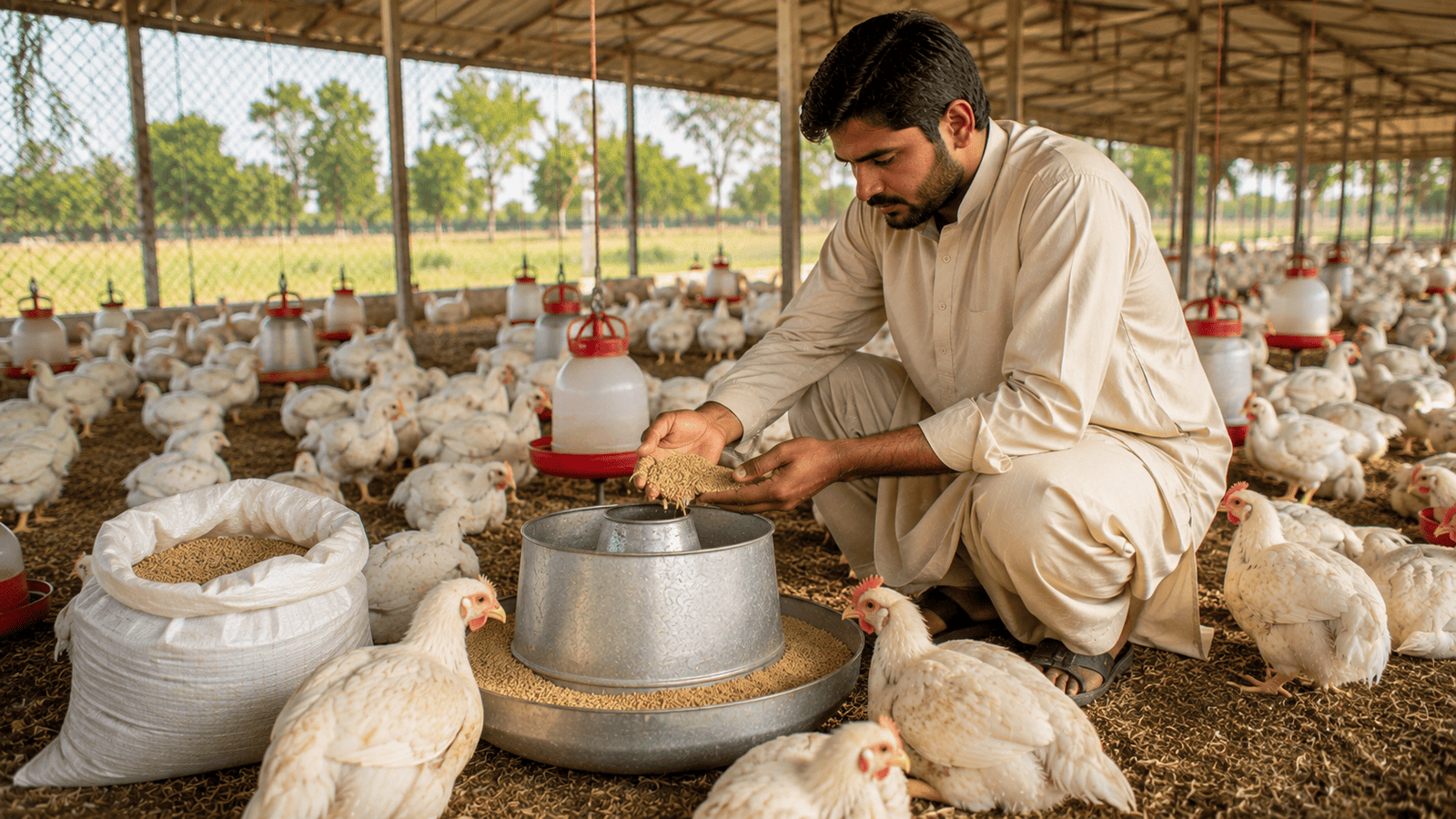
Poultry farming profitability varies enormously depending on your business model — a contract broiler grower and an independent organic egg producer can see profit-per-bird figures that differ by 5-10x. This guide breaks down real 2026 profit margins, revenue benchmarks, and business model comparisons for poultry farming, so you can set realistic expectations and identify where the actual margin opportunities are, rather than relying on vague "poultry farming is profitable" claims.
| Metric | Figure | Context |
|---|---|---|
| Feed/chick cost share of OpEx | 70-80% | Largest single cost category industry-wide |
| Commercial gross margin | 20-30% | Large-scale operations (100K-1M birds/cycle) |
| Commercial net profit margin | 8-15% | After all operating costs |
| Small backyard flock (10-20 birds) | $500-$1,000/year net profit | Managed properly, modest scale |
| Contract broiler grower net return | $0.30-$0.50 per bird | Conventional contract growing model |
| Independent/organic direct sales net return | $1.50-$2.50+ per bird | Direct-to-consumer, eliminates middlemen |
Day-old chicks and feed together typically represent 70-80% of total operating expenses in poultry farming, with utilities adding another 10-15%. This concentration means that even small improvements in feed conversion efficiency have an outsized effect on overall profitability compared to trying to optimize smaller cost categories.
Broiler farming offers the fastest returns of any common poultry business model, with 6-8 week production cycles yielding roughly $4-5 profit per bird in well-run operations. At scale, a 1,000-bird broiler batch can generate $20,000-$25,000 in revenue per cycle — and since a full year allows for multiple cycles, this compounds meaningfully over 12 months.
Layer operations take considerably longer to become profitable — typically 6-8 months to break even — but then provide a steady, ongoing income stream. Hens producing eggs for 18-24 months can generate $70,000-$85,000 annually per 1,000 birds, making layers a strong choice for farmers prioritizing long-term, predictable revenue over fast turnaround.
The business model you choose affects profit-per-bird more than almost any other single decision. Conventional contract broiler growers, working under an integrator agreement, typically see net returns of just $0.30-$0.50 per bird — modest, but with guaranteed off-take and lower marketing burden. Independent operations selling organic products directly to consumers can achieve $1.50-$2.50 or more per bird, with organic egg gross margins reaching 40-50%.
Processing whole birds into cuts is one of the most effective ways to increase revenue per bird without raising production volume. For example, a whole broiler selling for $20 can generate $28 when cut into two breasts ($14), two leg quarters ($8), and wings ($6) — an increase of over 30% in revenue from the same bird. Heritage breed operations can add further value through breeding stock sales, commanding $25-50 per bird alongside meat sales at $8-10 per pound.
The global poultry market was valued at approximately $3,254.1 million in 2026 and is projected to reach $3,934.0 million by 2032, reflecting steady underlying demand growth. This growth creates ongoing opportunity, but industry guidance is consistent that this favors producers who actively track their margins and cost structure rather than those relying on market growth alone to carry profitability.
| Model | Profit per Bird | Time to Revenue |
|---|---|---|
| Contract broiler growing | $0.30 - $0.50 | 6-8 weeks per cycle |
| Independent broiler (whole bird) | ~$4-5 | 6-8 weeks per cycle |
| Independent broiler (processed cuts) | ~$5.60-6.50 (est., +30% vs whole) | 6-8 weeks + processing time |
| Independent organic, direct-to-consumer | $1.50 - $2.50+ | Varies by product |
| Layer (eggs, per 1,000 birds annually) | $70,000-$85,000 revenue | 6-8 months to break even |
| Heritage breeding stock sales | $25-50 per bird (additional) | Alongside meat sales |
Yes, though profitability varies widely by business model. Contract broiler growers see modest returns of $0.30-$0.50 per bird, while independent organic operations selling direct to consumers can achieve $1.50-$2.50 or more per bird.
Broiler farming typically yields $4-5 profit per bird in independent operations over a 6-8 week cycle, though conventional contract growers see much lower returns of $0.30-$0.50 per bird due to integrator agreements.
1,000 layer hens can generate approximately $70,000-$85,000 in annual revenue, based on 18-24 months of productive egg-laying, though layer operations typically take 6-8 months to break even initially.
Day-old chicks and feed together typically represent 70-80% of total operating expenses in poultry farming, making feed efficiency the single biggest lever for improving profitability.
Yes. Processing a whole bird into cuts like breasts, leg quarters, and wings can increase revenue per bird by over 30% compared to selling the bird whole, making value-added processing a meaningful profitability strategy.
Poultry farming profitability depends far more on business model choice than on the underlying biology of raising birds. Contract growing offers stability at modest per-bird returns, while independent, direct-to-consumer, or value-added processing models can multiply profit per bird several times over — at the cost of more marketing effort and market risk. Whichever path you choose, tracking gross margin, feed efficiency, and mortality against realistic industry benchmarks will tell you far more about your farm's health than any single revenue number in isolation.
Want more poultry farming tips delivered to your inbox every week?
Subscribe to Farmers AdvisoryData sources: IMARC Group poultry farm project cost report (2026); Folio3 AgTech poultry farm startup cost guide (May 2026); FarmstandApp most profitable poultry farms guide (January 2026); StartupFinancialProjection poultry profitability strategies (October 2025); PureGrubs poultry farming profitability guide (April 2026). Figures from unverifiable or internally inconsistent "financial model" sources were excluded. Figures vary significantly by region, scale, and business model. Current as of July 10, 2026.