 Farmers Advisory
Farmers Advisory
Farmers Advisory
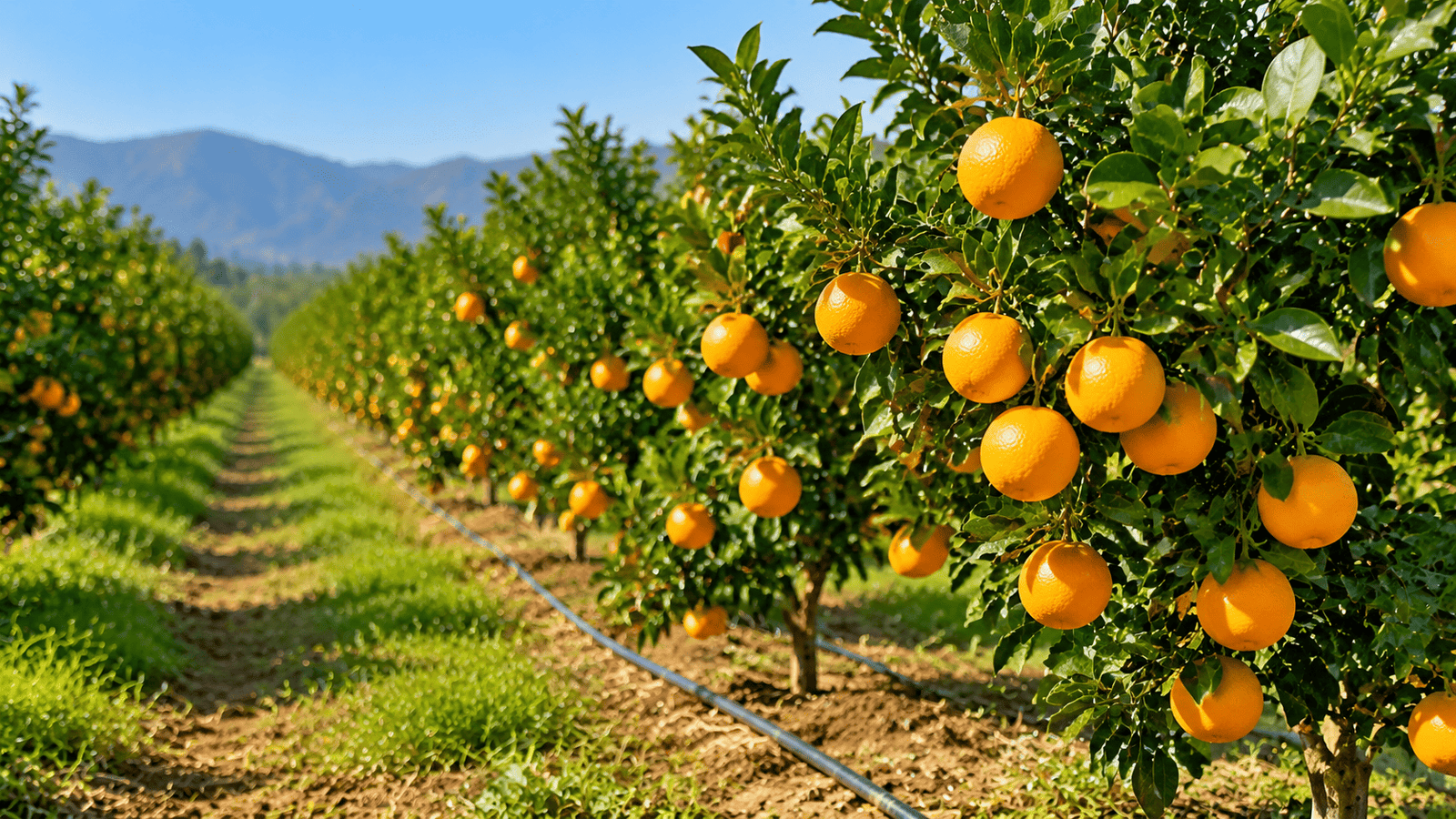
Pruning is the single most hands-on skill in fruit tree care, and also the one growers are most likely to either avoid entirely or overdo out of uncertainty. Done well, pruning opens the canopy to light and air, directs the tree's energy into fruiting wood instead of unproductive growth, and keeps the tree a manageable size for years of harvests. This guide covers how to prune fruit trees correctly — the right timing, the tools, the specific cuts, and how the approach differs between a young tree still being shaped and a mature tree already in full production.
Left unpruned, most fruit trees grow into a dense, tangled canopy that shades its own interior, reduces air circulation, and channels energy into vegetative growth rather than fruit production. Pruning addresses several goals at once: it removes dead and diseased wood before problems spread, opens the canopy so light reaches fruiting branches (not just the outer edge of the tree), improves air movement to reduce fungal disease pressure, controls the tree's overall size for easier harvest and spraying, and directs the tree's energy toward a manageable number of well-placed fruiting branches instead of excessive shoot growth.
Pruning in the first several years is primarily about building the tree's permanent structure — a strong central leader or open framework of well-spaced main branches, depending on the training system used for that species. Formative pruning at this stage focuses on selecting well-angled scaffold branches, removing competing leaders, and correcting weak branch angles while the tree is still young and flexible enough to shape. Decisions made during these early years have a lasting effect on the tree's strength and productivity, since a poorly structured young tree is far harder to correct once branches thicken.
Once a tree is established and bearing fruit, pruning shifts from structural shaping to maintenance: keeping the canopy open enough for light and air to reach fruiting wood, removing crowded or shaded-out branches that no longer produce well, managing overall tree height and spread for practical harvest and spraying, and renewing fruiting wood on species that fruit best on younger growth. Mature-tree pruning is generally lighter and more selective than the more significant shaping cuts made on young trees.
| Cut Type | What It Does | Typical Regrowth Response |
|---|---|---|
| Heading cut | Shortens a branch by cutting partway along its length | Stimulates multiple new shoots below the cut, often vigorous |
| Thinning cut | Removes an entire branch at its point of origin (the trunk or a larger limb) | Generally less regrowth stimulation, opens the canopy without dense regrowth at the cut site |
Thinning cuts are generally favored for opening up canopy density and improving light penetration, since they don't trigger the same cluster of vigorous new shoots that heading cuts tend to produce. Heading cuts still have a place — particularly in young-tree formative pruning, to encourage branching at a specific point — but overuse on a mature tree can lead to a thicket of weak, crowded regrowth.
Most clean pruning cuts on healthy wood don't need a wound dressing or sealant — modern guidance from most extension programs generally favors letting cuts heal naturally, since sealants can sometimes trap moisture and slow healing rather than help it. After a significant pruning session, keep an eye on the tree's response through the following growing season, and follow up with a lighter summer pass if vigorous water sprouts or overly dense regrowth appear. Cleaning up and removing pruned material from the orchard floor also reduces disease and pest overwintering sites.
Most temperate fruit trees are pruned during dormancy in late winter, before new growth starts. Some species also benefit from a lighter summer pruning pass. Exact timing varies by species and climate, so check with a local extension office for your specific trees.
There's no single universal percentage that applies to every species and tree age, but removing too much wood in one season is a more common mistake than removing too little, since heavy pruning can trigger excessive vegetative regrowth. When uncertain, prune conservatively and adjust next season.
Generally no. Most extension guidance favors letting clean cuts on healthy wood heal naturally, since sealants can sometimes trap moisture rather than help the wound heal.
Suckers emerge from the rootstock below the graft union and don't produce the grafted variety's fruit. Water sprouts are vigorous, usually vertical shoots that emerge from the tree's own branches, often after heavy pruning or in shaded interior areas. Both are generally removed for similar reasons.
It's generally better to avoid major pruning once a tree has started flowering, since it can reduce the current season's fruit set. Light corrective pruning of damaged or diseased wood can still be done if needed, but structural pruning is best done during dormancy.
Young-tree pruning focuses on building permanent structure — selecting and shaping main scaffold branches. Mature-tree pruning is lighter and more maintenance-focused, aimed at keeping the canopy open for light and air and renewing fruiting wood.
Correct pruning comes down to understanding why each cut is being made, not just following a fixed set of rules. Dormant-season timing, sharp and sanitized tools, thinning cuts over heading cuts for general canopy management, and a conservative approach to how much wood comes off in a single season will cover the vast majority of situations a grower encounters. The structural decisions made in a tree's first few years matter the most — invest the time there, and mature-tree pruning becomes a much lighter annual task rather than a yearly correction of earlier problems.
Want more fruit farming guides delivered to your inbox every week?
Subscribe to Farmers AdvisoryGeneral guidance referenced from publicly available university and government agricultural extension materials on fruit tree pruning and orchard maintenance. Optimal timing, cut selection, and technique vary by fruit species, tree age, and climate — consult your local agricultural extension office for guidance specific to your trees and region. Current as of August 4, 2026.