 Farmers Advisory
Farmers Advisory
Farmers Advisory
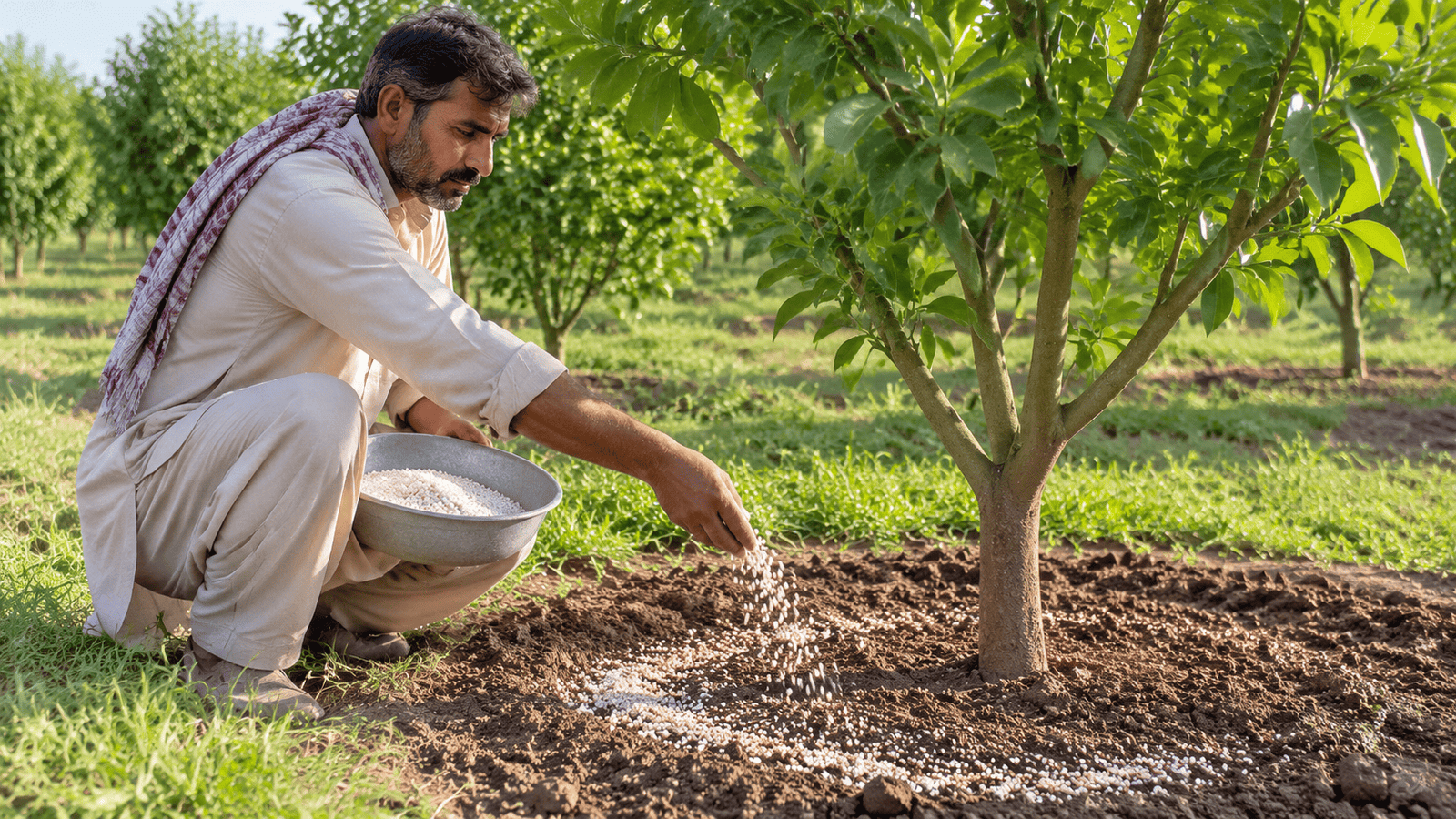
A fruit orchard is one of the few farm enterprises where the biggest mistakes happen before a single tree goes in the ground. Unlike an annual vegetable crop, a bad site, spacing, or variety choice doesn't show up as a disappointing season — it shows up as a decade of reduced yield from trees that are expensive and slow to replace. This guide walks through how to start a fruit orchard business in a realistic order: market research first, then site and crop selection, orchard design, establishment costs, ongoing care, and the marketing and profitability factors that determine whether the business actually works.
A fruit orchard business is a farm enterprise built around growing tree or vine fruit — such as apples, citrus, mangoes, or stone fruit — for commercial sale, whether that's wholesale, direct-to-consumer, a farm stand, or a mix of channels. Compared to row-crop or vegetable farming, an orchard is a long-term, capital-intensive commitment: trees typically take several years before they produce a commercially meaningful crop, and the orchard's layout, variety mix, and infrastructure are difficult and costly to change once established.
A written business plan should cover the target market, chosen fruit crops and varieties, site and land requirements, an establishment budget, a multi-year cash flow projection that accounts for the non-bearing years, and a marketing plan. Local agricultural extension offices and university horticulture programs are generally the most reliable source for region-specific guidance, since chill hours, disease pressure, and profitable crop choices differ significantly by climate zone.
Choosing a fruit crop based on price potential alone is a common first mistake. A more reliable approach is to work backward from demand.
For a closer look at how different fruit trees compare on space, climate suitability, and time to first fruit, see our guide to best fruit trees for small farms.
Fruit trees are far less forgiving of a poor site than annual crops, largely because the investment is measured in decades rather than a single season.
Orchard design decisions made at planting — spacing, row orientation, and pollinator variety placement — are essentially permanent.
Site preparation typically includes clearing, deep tillage or ripping in compacted soil, correcting soil pH based on test results, and installing irrigation infrastructure before trees go in the ground. Bare-root trees are usually planted during dormancy, while container-grown trees offer more planting flexibility. Planting depth matters — the graft union on grafted trees should generally stay above the soil line — and newly planted trees typically need staking, trunk protection, and a consistent watering schedule through their first one to two growing seasons while roots establish.
Ongoing orchard management shifts as trees mature from establishment to bearing age.
Pest and disease pressure is highly specific to fruit species and region, so a monitoring routine matters more than any generic spray schedule. Regular scouting, sanitation (removing fallen fruit and diseased material), and an integrated pest management approach generally reduce input costs compared to calendar-based spraying. A local extension office can help identify which pests and diseases are common threats for your specific crop and region, and when treatment is actually warranted versus when a pest population is within a tolerable range.
Labor needs fluctuate sharply through the year, with peak demand at pruning and harvest. Many orchard businesses rely on a combination of year-round staff and seasonal labor. Core equipment commonly includes a tractor, sprayer, mower, and irrigation infrastructure, with harvest-specific equipment (bins, ladders, picking bags, or mechanical harvesters for some crops) added as the operation scales. Equipment needs should be sized to the orchard's mature acreage, not just its first few years, to avoid under-investing early and over-investing once the orchard is fully productive.
Orchard establishment costs vary enormously depending on fruit species, tree density, rootstock, irrigation infrastructure, land costs, and region — the categories below are meant as a planning checklist, not universal figures.
| Cost Category | What It Typically Covers | Timing |
|---|---|---|
| Land acquisition or lease | Purchase price, lease terms, or land preparation for owned ground | Before planting |
| Site preparation | Clearing, tillage, soil amendments, drainage work | Before planting |
| Trees and planting material | Nursery stock, rootstocks, delivery, planting labor | Planting year |
| Irrigation infrastructure | Pump, mainlines, drip or micro-sprinkler systems, water rights/permits | Before or during planting |
| Trellising/support (where needed) | Posts, wire, stakes for high-density or trellised systems | Planting year |
| Equipment | Tractor, sprayer, mower, hand tools | Before or during establishment |
| Annual inputs | Fertilizer, pest/disease management, water, fuel | Every year, ongoing |
| Labor | Planting, pruning, spraying, and eventual harvest labor | Every year, ongoing |
| Non-bearing year cash flow | Covers costs during the years before trees produce a sellable crop | Multi-year, until first harvest |
Because most fruit trees need several years before reaching meaningful commercial production — and longer still to reach full mature yield — a realistic financial plan needs to fund several years of costs before revenue arrives. Underestimating this non-bearing period is one of the most common reasons new orchard businesses run into cash flow trouble.
Harvest timing and handling directly affect fruit quality and price, and post-harvest handling decisions — sorting, cooling, packaging — often matter as much as growing practices for the price a crop ultimately commands; our post-harvest fruit storage guide covers this in more depth. On the marketing side, an orchard business generally benefits from lining up buyers or sales channels well before the first harvest, rather than searching for a market once fruit is already ripening. Profitability depends on a combination of yield, fruit quality and grade, price received, and cost control — and because yield typically climbs for several years after trees start bearing, per-acre profitability in the first bearing years is usually lower than it will be once the orchard reaches mature production.
It depends entirely on the fruit species, tree spacing, and business scale — a small direct-market operation can work on a few acres, while a wholesale-focused operation typically needs considerably more. A local extension agent can help size land needs to your specific crop and market plan.
Most fruit trees need several years before producing a meaningful commercial crop, and profitability typically improves further as trees mature toward full production. The exact timeline varies by species, rootstock, and growing conditions, so it should not be treated as fixed across all orchards.
This varies by operation, but land, site preparation, irrigation infrastructure, and planting stock are typically the largest upfront costs, followed by the ongoing cost of covering several non-bearing years before the orchard generates sellable income.
Prior experience helps, but it's not strictly required if you invest time in research, work closely with local extension services, and start with a manageable scale rather than a large orchard on day one.
Yes, though because fruit trees are a long-term investment, the lease term should reasonably match or exceed the years needed to establish and profitably harvest the orchard, and the lease terms should address who owns the trees if the lease ends.
Each has tradeoffs — wholesale generally offers more predictable, higher-volume sales at lower per-unit prices, while direct sales (farm stands, farmers markets, U-pick) can command higher prices but require more marketing effort. Many orchard businesses use a mix of both.
Starting a fruit orchard business rewards patience and front-loaded research more than almost any other type of farm enterprise. The site, crop, variety, and layout decisions made before planting are the ones that shape the orchard's performance for decades, while the financial plan needs to stretch across several non-bearing years rather than assuming income from year one. Working closely with local agricultural extension services throughout planning — not just at the research stage — remains one of the most reliable ways to catch regional issues, from chill hours to pest pressure, before they become expensive problems in an established orchard.
Want more fruit farming guides delivered to your inbox every week?
Subscribe to Farmers AdvisoryGeneral guidance referenced from publicly available university and government agricultural extension materials on orchard establishment, site selection, and small-farm fruit production. Costs, timelines, and regional recommendations vary significantly by fruit species, rootstock, and climate zone — consult your local agricultural extension office for figures specific to your region. Current as of August 4, 2026.