 Farmers Advisory
Farmers Advisory
Farmers Advisory
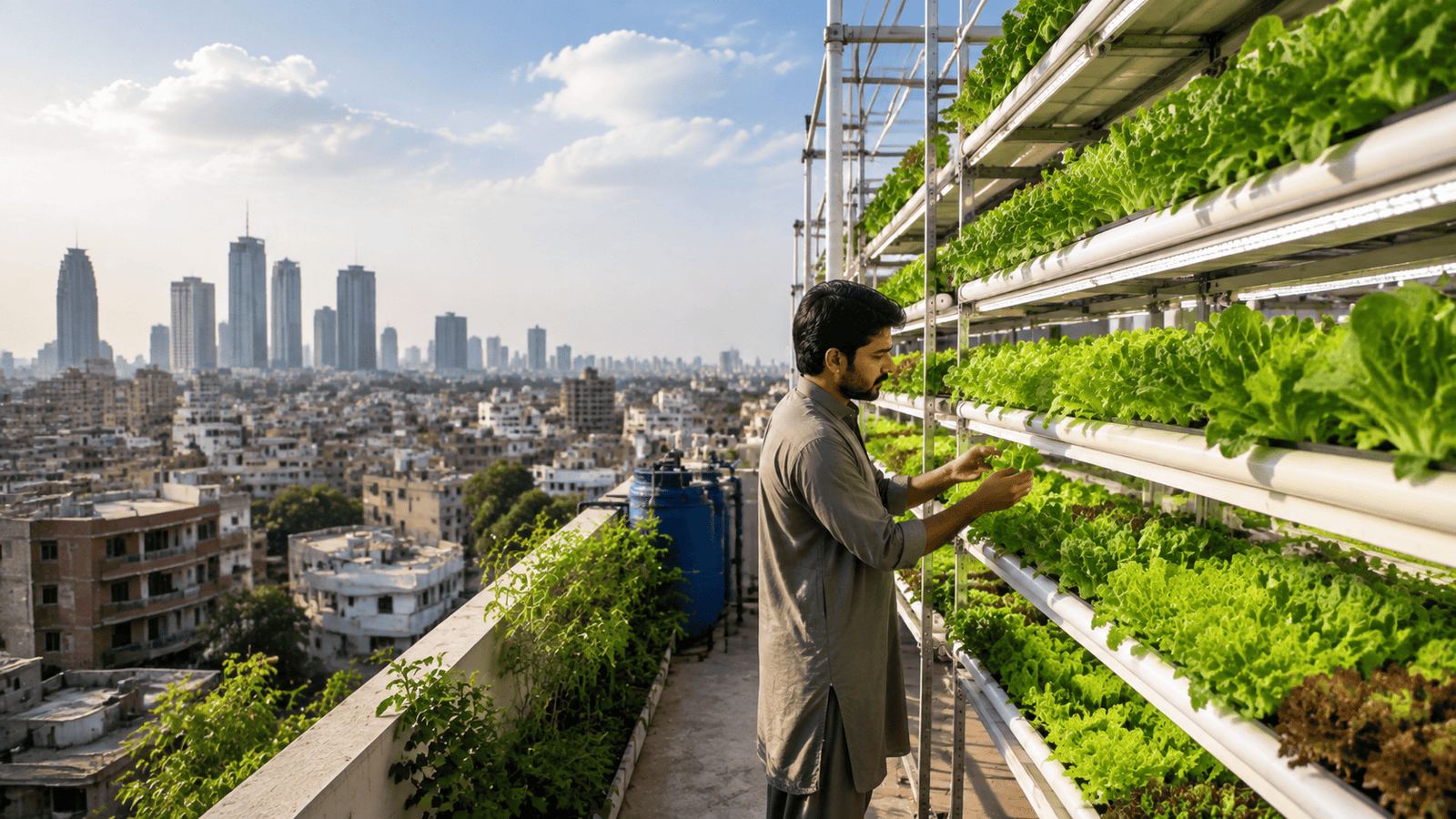
Leafy greens, culinary herbs, microgreens, and a handful of compact fruiting crops make up the vast majority of what's actually grown in vertical farms today, and that's not an accident — it comes down to which plants can finish a growth cycle quickly, stay small enough to fit tight rack spacing, and sell for enough per pound to justify the electricity bill behind them. Crops that need deep root runs, long growing seasons, or low unit prices generally don't work in a stacked, artificially lit system, no matter how well the facility is engineered.
A handful of traits consistently separate crops that thrive in vertical systems from ones that struggle:
Not every crop scores well across all five, and a strong showing in most of them is usually enough for commercial viability — but a crop that's weak on several tends to be a poor fit for a vertical system.
Lettuce varieties, kale, spinach, and arugula are the backbone of commercial vertical farming. They have shallow root systems, tolerate moderate light levels well, and typically move from seed to harvest in a few weeks depending on variety and system — considerably faster than field-grown equivalents in most climates. Wholesale and food-service demand for packaged salad greens is well established, which gives new growers a clearer path to buyers than more specialized crops.
Spinach in particular can be more sensitive to temperature swings than lettuce, and arugula's peppery flavor intensifies under certain light and stress conditions, so crop-specific tuning still matters even within this "easy" category.
Basil, mint, and other herbs generally command a higher price per pound than leafy greens, which helps offset costs when growth cycles run a bit longer or light requirements are more demanding. Basil in particular is a popular vertical farming crop because of strong restaurant and retail demand, though it's more sensitive to temperature drops and root-zone oxygen levels than lettuce.
Herbs are also more forgiving of a slightly smaller facility, since their higher per-unit price means a smaller harvest volume can still support a viable business — a useful trait for beginner and small-scale operators.
Microgreens — young seedlings of crops like radish, pea, or sunflower harvested within one to two weeks of germination — have the shortest cycle of anything commonly grown in vertical farms. That fast turnover makes them attractive for beginners who want quick feedback, but the market is smaller and more specialized than lettuce or herbs, generally serving specific restaurant, garnish, and niche retail demand rather than broad grocery volume.
Strawberries and a small number of other compact fruiting crops are grown in vertical systems, usually in gutter or tower configurations rather than flat trays. They generally require more light, longer growth cycles, and more careful pollination management than leafy greens or herbs, and the equipment and labor involved tend to be more complex. Strawberries can command strong retail prices, but the added complexity means they're less commonly a first crop for new operators.
| Crop | Growth Cycle | Light Needs | Beginner Suitability | Market Demand |
|---|---|---|---|---|
| Lettuce / leafy greens | Short | Moderate | High | Broad, well-established |
| Basil / herbs | Moderate | Moderate–High | Moderate | Strong, food-service focused |
| Microgreens | Very short | Low–Moderate | High | Niche, specialized |
| Strawberries | Long | High | Low | Strong but variable by season |
Staple grains such as wheat, corn, and rice, along with most root vegetables like potatoes and carrots, are essentially absent from commercial vertical farming. Their per-unit market value is too low, their space requirements too large, and their growth cycles too long to offset the higher input costs of an indoor, artificially lit system. Vining crops like squash or melons also tend to be poor fits, since their sprawling growth habit doesn't suit the tight vertical spacing that makes stacked farming space-efficient in the first place.
This doesn't mean these crops can never appear in a research or hobbyist vertical setup — it means the economics rarely favor them at commercial scale compared to leafy greens, herbs, and microgreens.
Lettuce and other leafy greens are generally considered the most forgiving starting crop, thanks to shallow roots, moderate light needs, and a well-established market.
Tomatoes are grown in some vertical and controlled-environment systems, but their size, light demand, and longer growth cycle make them more complex and costly than leafy greens or herbs, so they're less common in stacked vertical farms specifically.
Microgreens have an extremely short growth cycle — often just one to two weeks — which lets growers test and refine facility conditions quickly, though their market is more niche than lettuce or herbs.
No. Lettuce, kale, spinach, and arugula share general similarities but differ in temperature sensitivity, light tolerance, and flavor response to stress, so each still needs its own tuning.
Technically yes, but they're rarely grown commercially in vertical systems because their low per-unit value, large space needs, and long growth cycles don't offset the higher costs of an indoor facility.
Crop choice is one of the highest-leverage decisions in vertical farming, because it determines cycle speed, space efficiency, and the price point needed to make the facility's fixed costs work. Leafy greens, herbs, and microgreens dominate the industry for good reason — they hit the sweet spot of fast cycles, compact size, and market demand that vertical farming economics actually reward.
Want the next article in this series delivered straight to your inbox?
Subscribe to Farmers AdvisoryData sources: Cornell University Controlled Environment Agriculture program crop publications; USDA Agricultural Marketing Resource Center commodity profiles; University of Arizona Controlled Environment Agriculture Center crop resources; North Carolina State University Extension, hydroponic leafy greens and herb production guidance. Figures represent general guidance and vary by cultivar, system design, and facility. Current as of August 5, 2026.