 Farmers Advisory
Farmers Advisory
Farmers Advisory
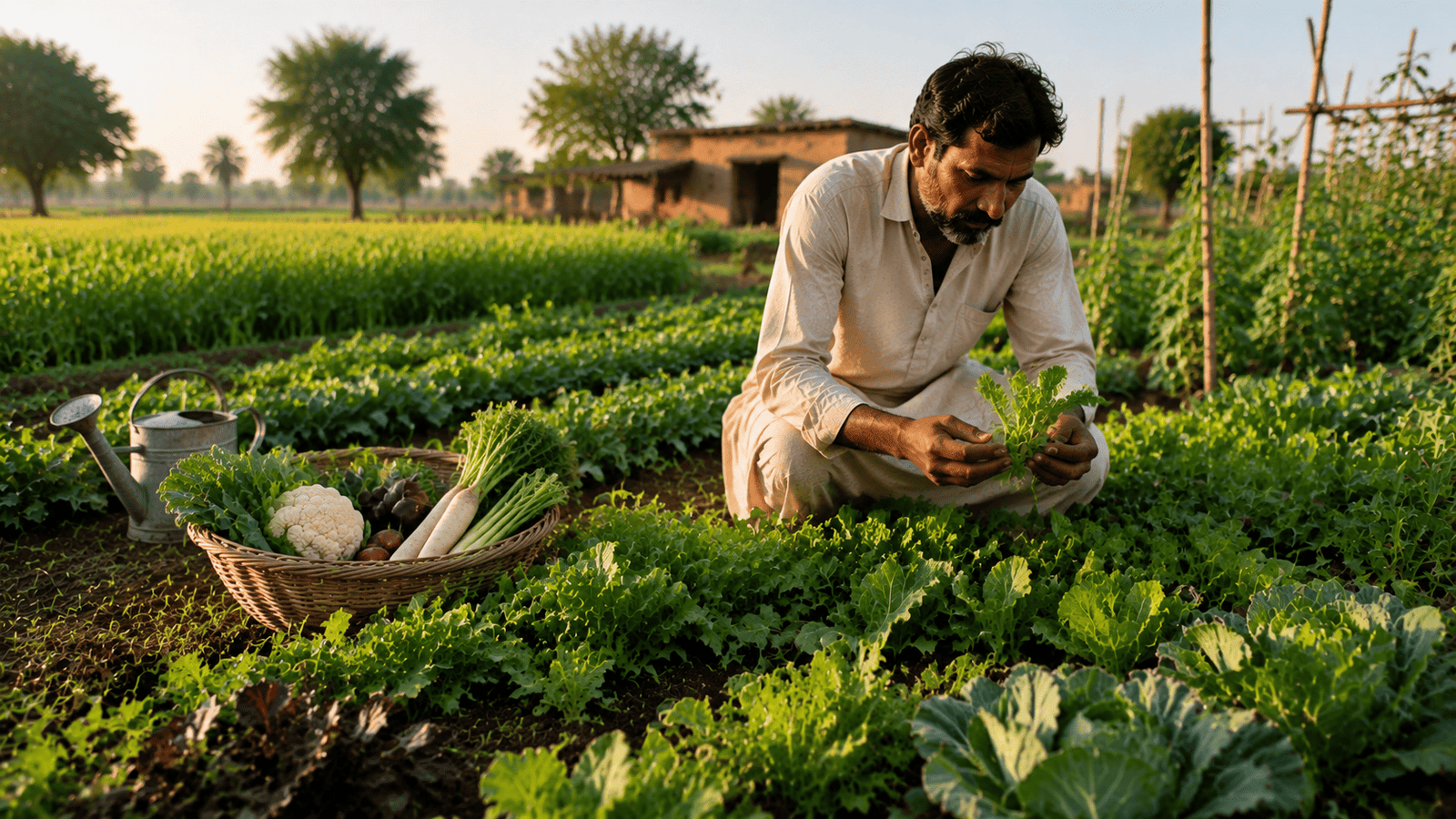
Organic pest control works best as a layered system, not a single substitute product for conventional pesticide. This guide covers practical organic pest control methods for farmers — monitoring, prevention, beneficial insects, biological controls, and approved organic inputs — organized the way Integrated Pest Management (IPM) recommends: cheapest and lowest-risk actions first, direct intervention only when needed. Being natural doesn't automatically mean harmless, so this guide also covers where organic inputs still carry real risk if misused.
Integrated Pest Management (IPM) is the umbrella approach most organic pest control fits within: it prioritizes prevention, monitoring, and the least disruptive intervention that actually solves the problem, escalating only as needed. In an organic system, that escalation still stays within the organic standard's approved practices and inputs, but the underlying sequence — prevent, monitor, intervene minimally — applies regardless of certification status.
Correct identification comes before any control decision, since the wrong response to a misidentified pest wastes effort and can harm beneficial insects unnecessarily. Regular field walks, sticky traps, and simple pest logs help catch problems while populations are still small and options are still wide open, rather than after visible crop damage has already occurred.
Predatory and parasitic insects — ladybird beetles, lacewings, parasitic wasps, and others — can suppress many common pest populations without any applied input, but they need time to establish and a supporting habitat nearby. Biological control products (beneficial nematodes, certain bacterial or fungal agents) offer a more targeted, purchasable option for specific pests, generally with less impact on non-target insects than broad-spectrum products.
Flowering hedgerows, insectary strips, and reduced tillage in field margins provide food and shelter for beneficial insects, helping sustain their populations between pest outbreaks. This habitat investment pays off gradually rather than immediately, but it's one of the more durable long-term pest-suppression tools available in an organic system.
When prevention and biological controls aren't enough, some botanical extracts and other organic-approved products can provide more direct intervention. Which specific products are approved varies by certifying body and standard, so growers pursuing certification should confirm any product against their certifier's current approved-input list before applying it rather than assuming a product labeled "natural" or "organic" on its packaging is automatically approved.
Rather than treating at the first sign of any pest, threshold-based intervention waits until pest numbers or damage reach a level that actually threatens yield or quality before applying any product — even an approved organic one. This avoids unnecessary applications, preserves beneficial insect populations, and reduces the chance of pests developing resistance to a given control method over time.
No single method works alone. The most effective approach layers prevention (rotation, resistant varieties, healthy soil), monitoring, and beneficial habitat, using direct intervention only when needed.
Not automatically. Some organic-approved products can still harm beneficial insects, pollinators, or aquatic life if misapplied. Following label rates and timing matters regardless of whether a product is organic or synthetic.
Flowering hedgerows, insectary strips, and reduced tillage in field margins provide food and shelter that helps sustain beneficial insect populations over time.
It means waiting until pest numbers or damage reach a level that actually threatens yield or quality before applying any control product, rather than treating at the first sign of a pest.
No. Approved input lists vary by certifying body and standard. A product labeled "natural" isn't automatically approved — check it against your certifier's current list before applying it.
Prevention-based methods and beneficial insect habitat typically take one to several seasons to show full effect, while direct interventions like traps or approved products can act faster for immediate pressure.
Organic pest control works as a system, not a swap-in replacement for a single conventional pesticide. Prevention through rotation, resistant varieties, and healthy soil does most of the work before a pest ever becomes a problem; monitoring catches issues early; beneficial insects and habitat provide ongoing background suppression; and direct intervention, organic-approved or not, is reserved for when pest pressure actually crosses a meaningful threshold. Treating every input — natural or synthetic — with the same respect for label rates and timing keeps the system working for the farm rather than against its own beneficial insects and pollinators.
Want more organic farming guidance delivered to your inbox every week?
Subscribe to Farmers AdvisoryGeneral guidance based on Integrated Pest Management principles published by agricultural extension services. Approved organic pest control products vary by certifying body and standard, and effectiveness depends on crop, pest species, and region — confirm specific product approvals with your certifier. Current as of August 5, 2026.