 Farmers Advisory
Farmers Advisory
Farmers Advisory
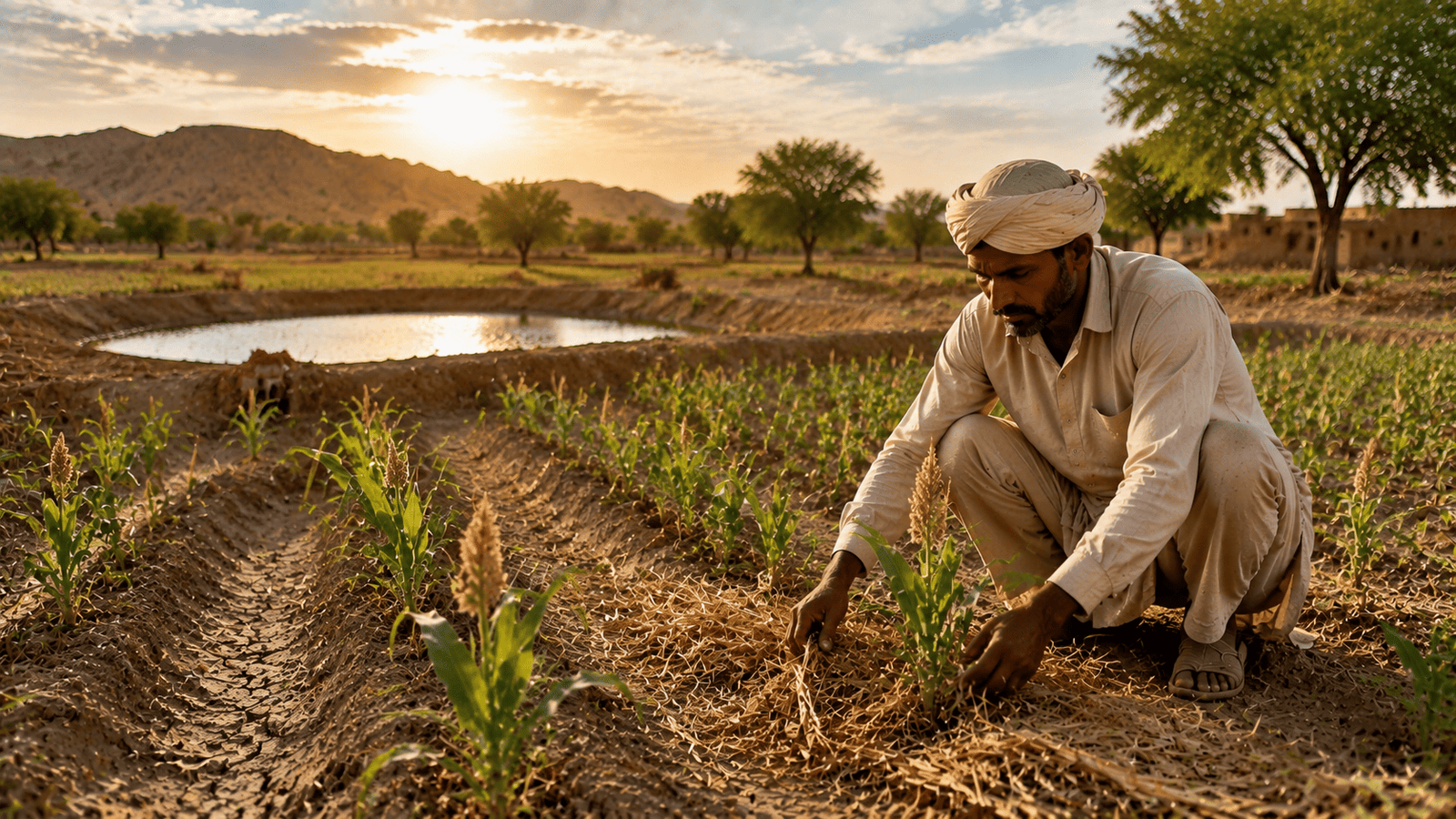
Most countries with significant dryland or semi-arid farming regions run some form of government support for farmers in those areas — but the name, structure, eligibility rules, and funding levels of that support differ enormously from one country to the next, and often between states or provinces within the same country. Rather than listing specific programs that would only be accurate for one place and one moment in time, this guide explains the common categories of support that tend to exist, and exactly where to look to find the current, official version relevant to your own farm.
Farmers Advisory reaches readers across many different countries and farming regions, and government agricultural support programs are inherently local — set by national, state, or provincial governments, funded through local budgets, and subject to change with each budget cycle or change in administration. A program listed here as active could be discontinued, replaced, or have its eligibility rules changed by the time this page is read, and a subsidy amount accurate for one country would be meaningless, or actively misleading, in another.
Rather than risk presenting outdated or region-mismatched information as current fact, this guide focuses on the categories of support that recur across many dryland farming regions and on how to independently locate and verify what's currently active where you farm.
While specific program names vary, the following categories of support appear in some form across many countries with significant dryland or drought-prone farming regions.
| Category | Typical Purpose | What to Search For |
|---|---|---|
| Drought and disaster relief | Direct financial assistance after a declared drought or crop-loss event | "drought relief," "disaster assistance," "crop loss compensation" |
| Crop insurance | Subsidized or supported insurance against yield loss from weather events | "crop insurance," "agricultural insurance scheme" |
| Water-conservation incentives | Cost-sharing or grants for water-harvesting structures, efficient irrigation, or soil-moisture practices | "water conservation grant," "irrigation efficiency subsidy" |
| Agricultural credit | Low-interest loans or credit guarantees for farm operating costs | "agricultural credit," "farm loan program" |
| Seed and input support | Subsidized or free access to drought-adapted seed, fertilizer, or other inputs | "seed subsidy," "drought-tolerant seed program" |
| Soil-health programs | Support for soil testing, organic amendments, or conservation practices | "soil health program," "conservation agriculture grant" |
| Equipment subsidies | Cost-sharing for conservation tillage equipment or water-storage infrastructure | "farm equipment subsidy," "conservation tillage grant" |
| Climate-resilience programs | Broader initiatives supporting long-term adaptation to changing rainfall patterns | "climate resilience agriculture program," "climate adaptation grant" |
| Extension and training | Free or subsidized technical advice, training, and demonstration programs | "agricultural extension service," "farmer training program" |
A small number of source types consistently provide the most reliable, current information on government support for dryland farmers.
Before making a farm decision based on an assumed subsidy, grant, or relief payment, verify these details directly through an official source:
Do not rely on secondhand descriptions from social media, forums, or outdated articles for these specifics — go directly to the official government source, or call the relevant department, before making a decision that depends on the program's terms.
Regardless of country, most government agricultural support programs ask for a similar core set of documentation. Having these ready in advance speeds up the application process considerably.
Genuine government programs do not require an upfront fee to apply, do not guarantee approval before reviewing an application, and are administered through official government websites or offices — not through third-party agents charging a processing fee. If a program is only described through informal channels and cannot be verified on an official government site, treat it with caution until confirmed.
Government agricultural support programs are set locally by national or state/provincial governments and change frequently. Naming specific programs without knowing a reader's country risks presenting outdated or entirely inapplicable information as current fact.
Common categories include drought and disaster relief, crop insurance, water-conservation incentives, agricultural credit, seed and input support, soil-health programs, equipment subsidies, and climate-resilience or extension programs — though the exact offerings differ by country.
Start with your national ministry or department of agriculture's official website, then check your state or provincial agriculture department, since many drought-relief and conservation programs are administered at that level.
Confirm it is listed or linked from an official government domain, and be wary of programs that require an upfront fee or are promoted primarily through informal or third-party channels rather than an official source.
Most programs require proof of land ownership or tenancy, recent farm records, government identification, and bank details for payment — having these ready in advance speeds up most applications.
Many do, and some close once allocated funding is exhausted, so it's worth identifying the relevant department and its application process before a dry season creates urgency rather than after.
Government support for dryland farmers exists in most countries with significant dry or drought-prone farming regions, but it takes a genuinely local form — different names, different eligibility rules, and different funding levels from one country, and often one province, to the next. The most reliable path is to know the common categories of support to search for, go directly to your national or state/provincial department of agriculture to confirm what's currently active, and prepare core documentation in advance rather than waiting for a drought year to start looking.
Want more dryland farming guidance delivered to your inbox every week?
Subscribe to Farmers AdvisoryGeneral guidance only. This article intentionally does not cite specific government programs, subsidy amounts, or deadlines, since accurate figures depend entirely on the reader's country and change over time. For current, verified information, consult your national ministry or department of agriculture, your state or provincial agriculture department, or a local agricultural extension office. FAO country policy summaries can help identify which types of programs exist in a given country, but the administering government agency is always the authoritative source. Current as of August 6, 2026.