Expert guides on water conservation, drought-resistant crops, and dryland farming techniques.
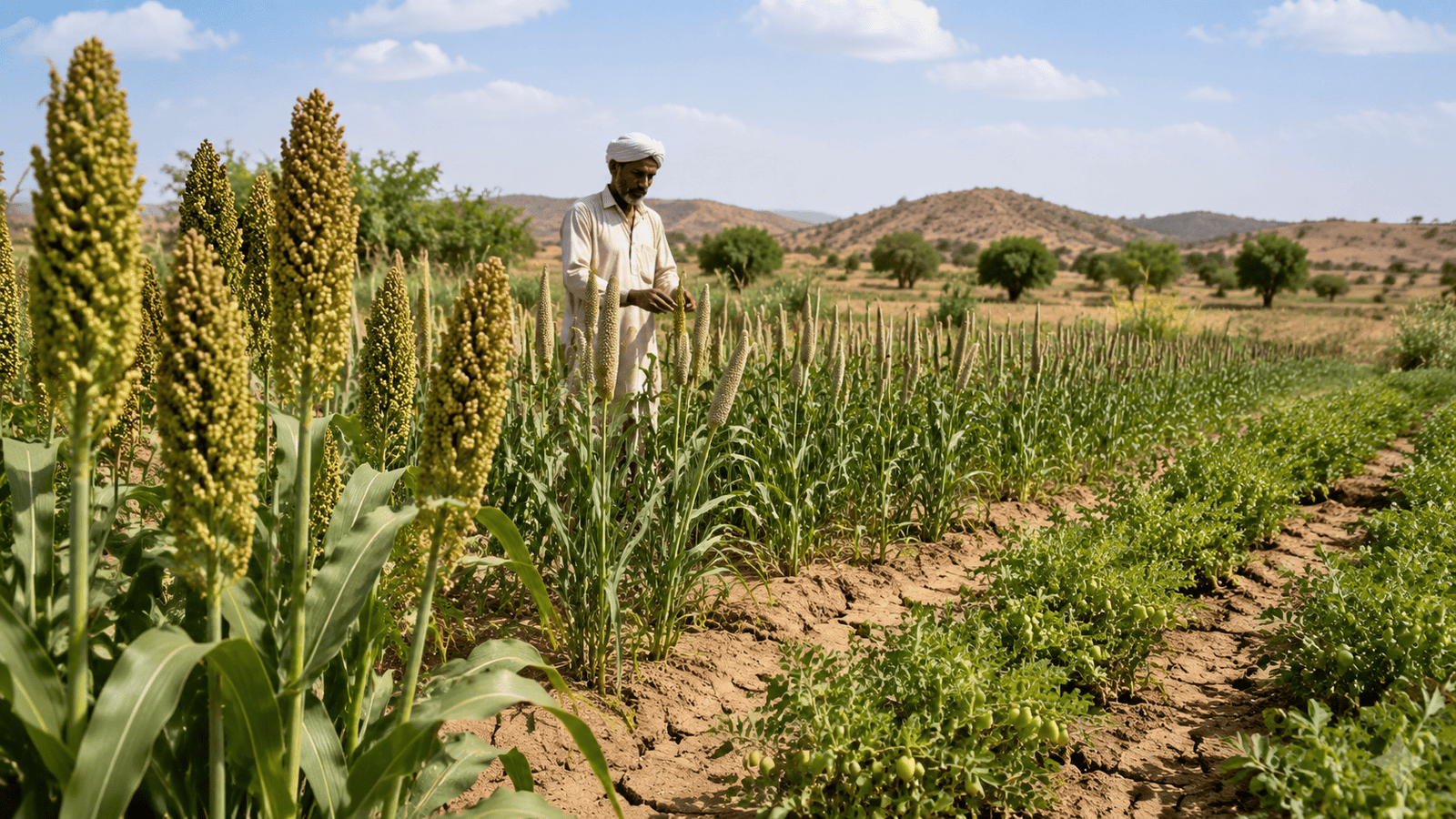
How dryland farming turns limited, seasonal rainfall into a working crop system — rainfall capture, soil moisture storage, crop choice, and timing.
Read More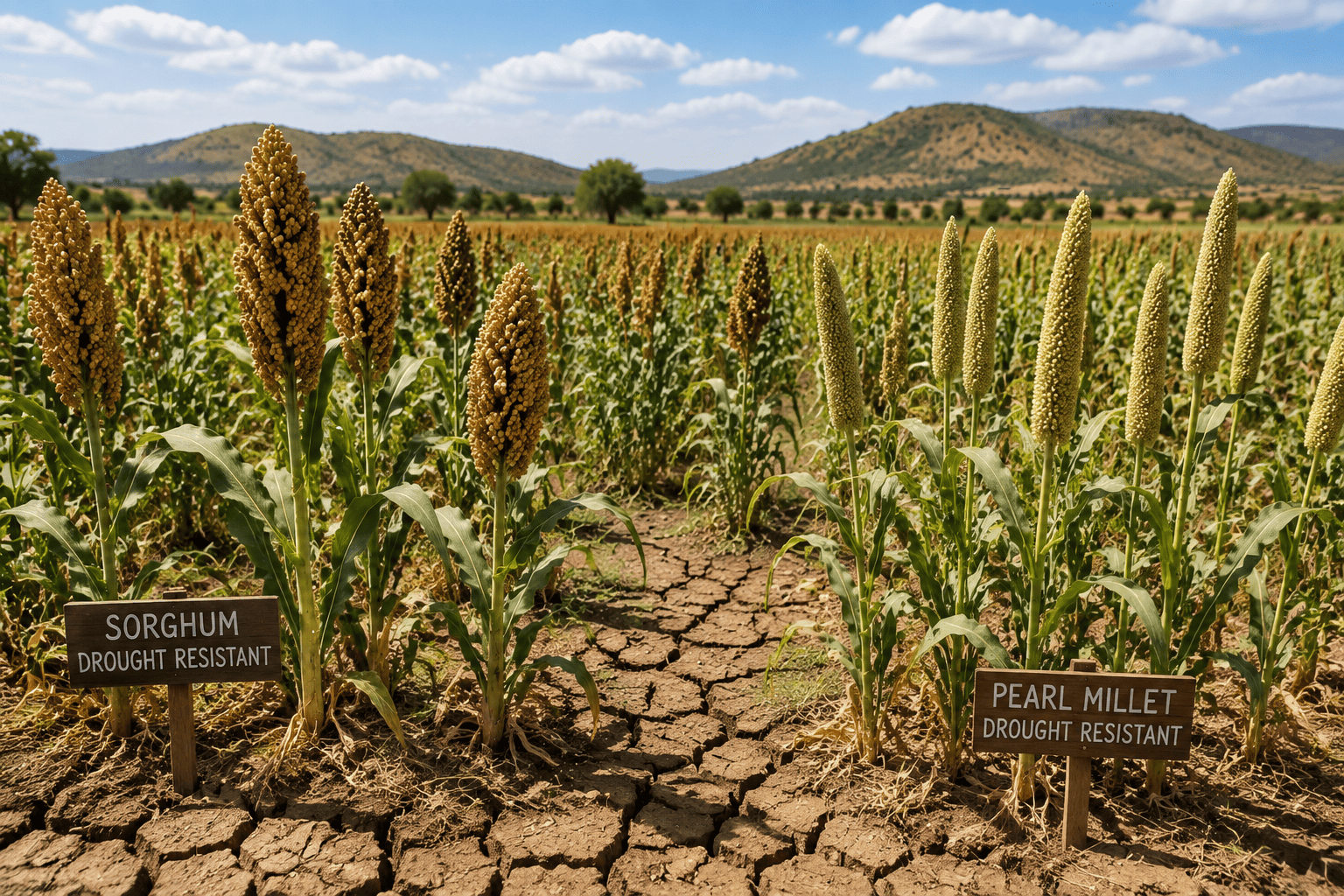
A practical comparison of crops suited to dryland farming — drought tolerance, water needs, growing season, and soil fit for sorghum, millet, barley, and pulses.
Read More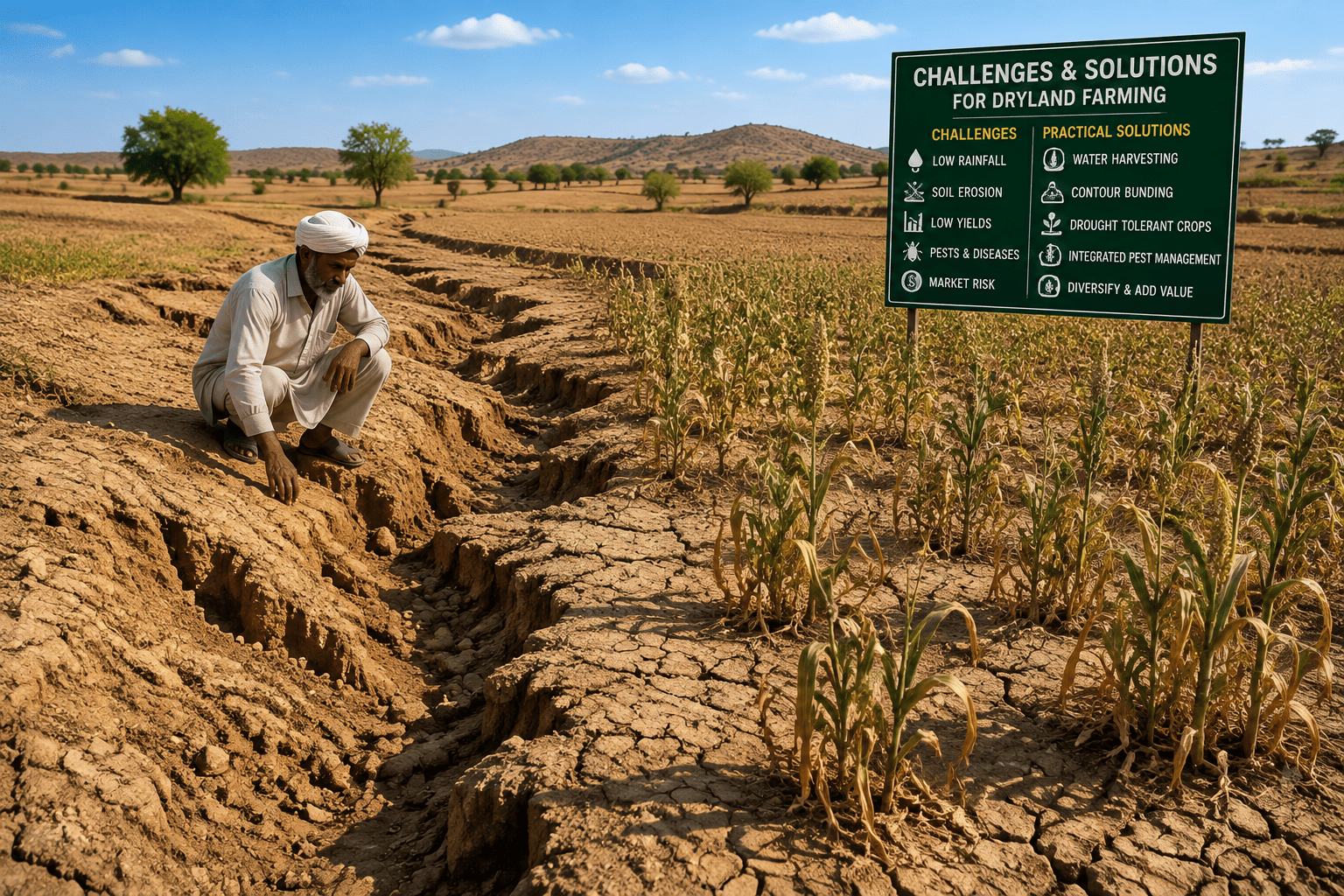
What drought-resistant really means, how breeders develop it, and how to choose crop varieties suited to dry, water-limited farms.
Read More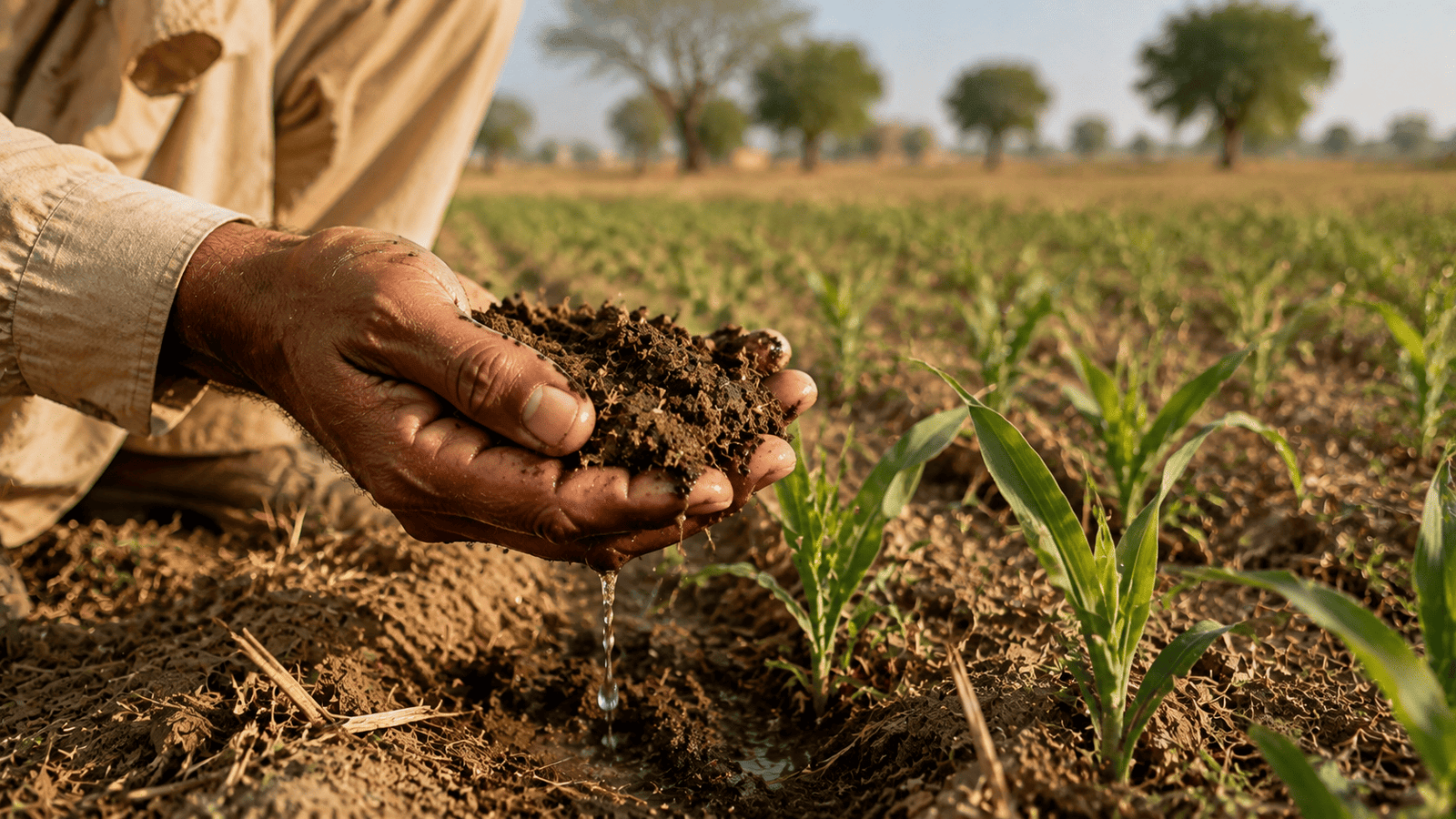
How soil texture, organic matter, and management practices affect water storage and availability for dryland crops.
Read More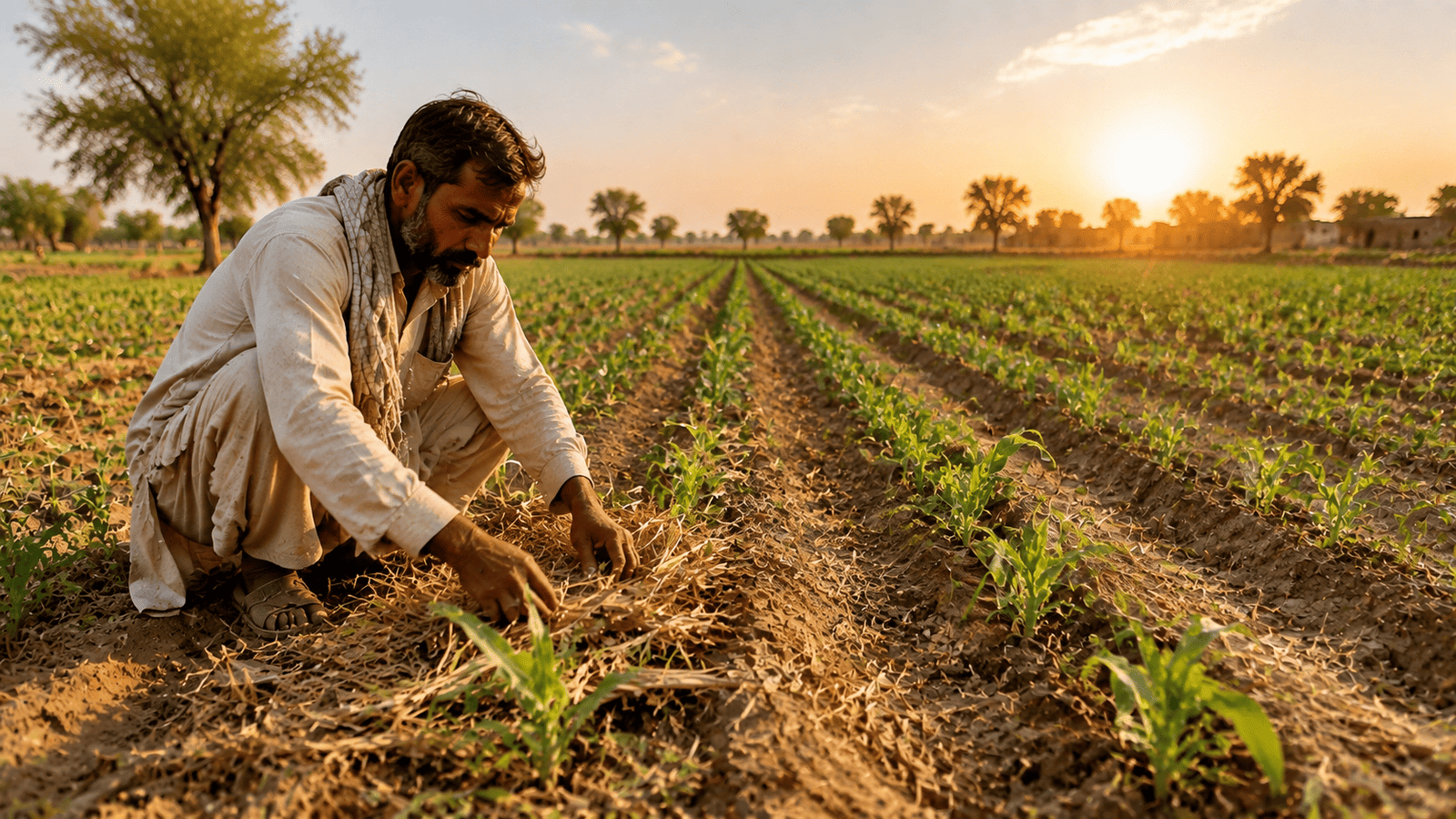
Rainwater harvesting, mulching, contour farming, and conservation tillage practices that keep rainfall in the soil longer on dryland farms.
Read More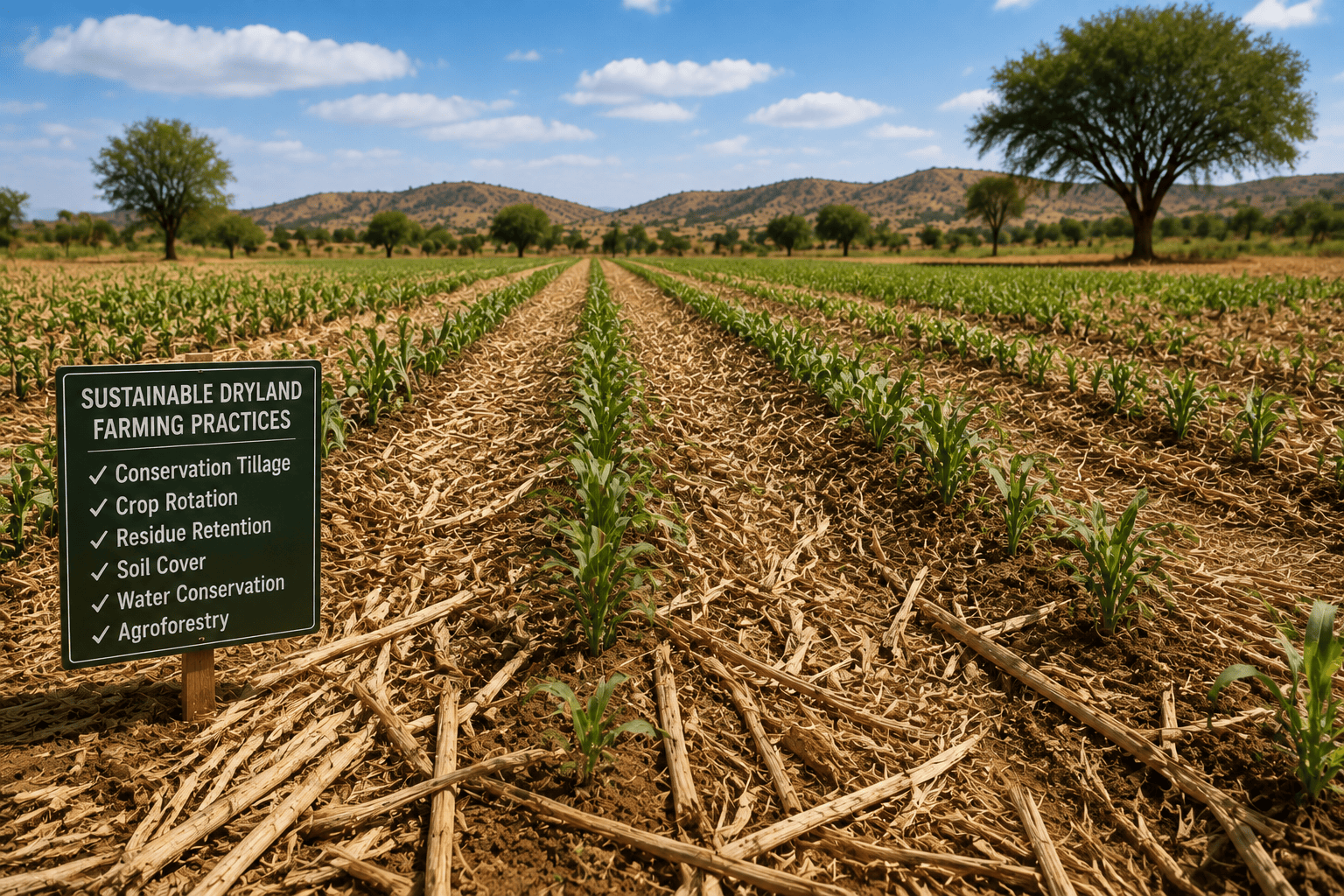
How crop rotation, conservation tillage, residue retention, and agroforestry work together to build sustainable, resilient dryland farming systems.
Read More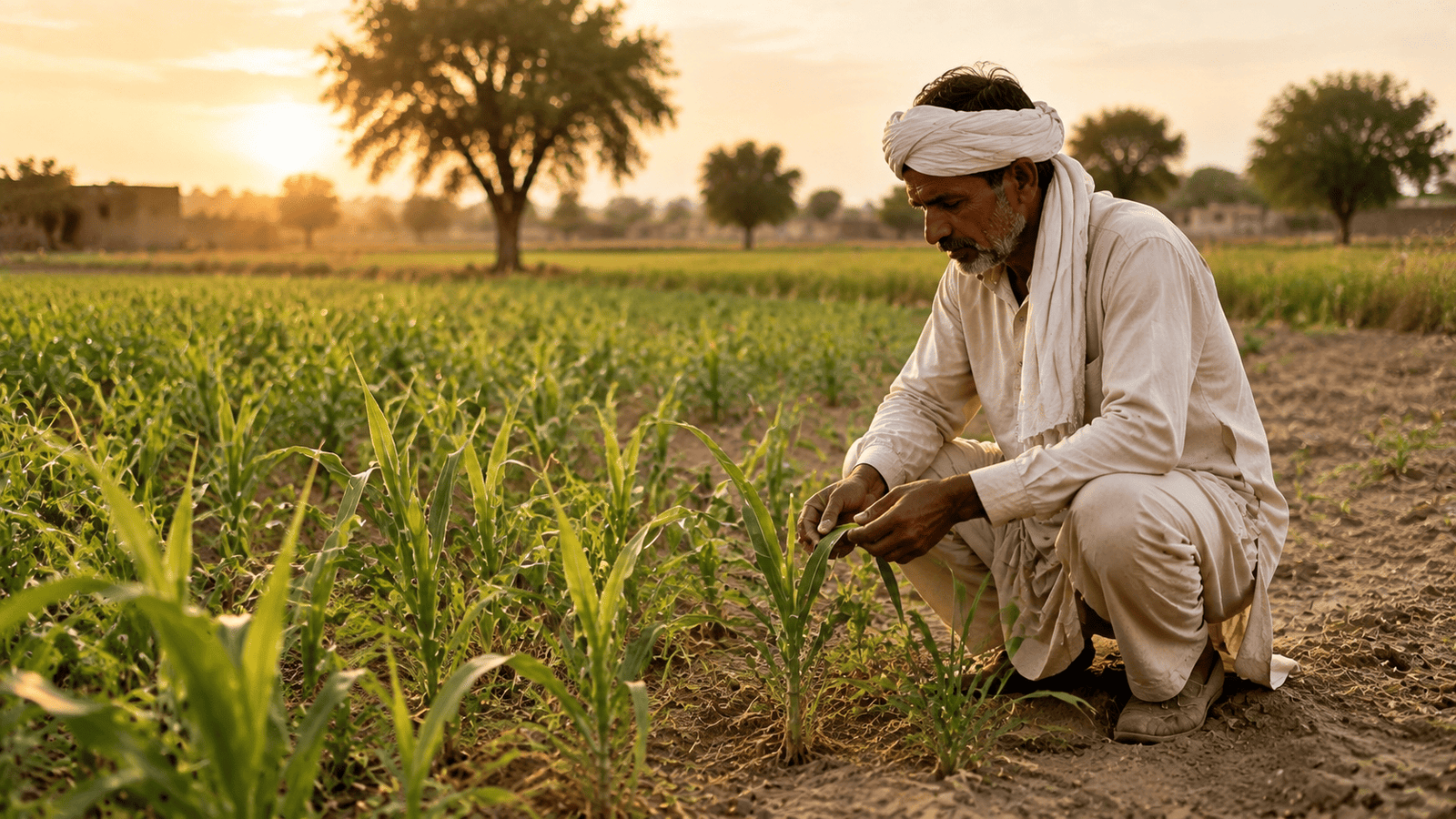
Variety selection, planting, fertility, weed and pest management, and realistic expectations for improving dryland farming yield.
Read More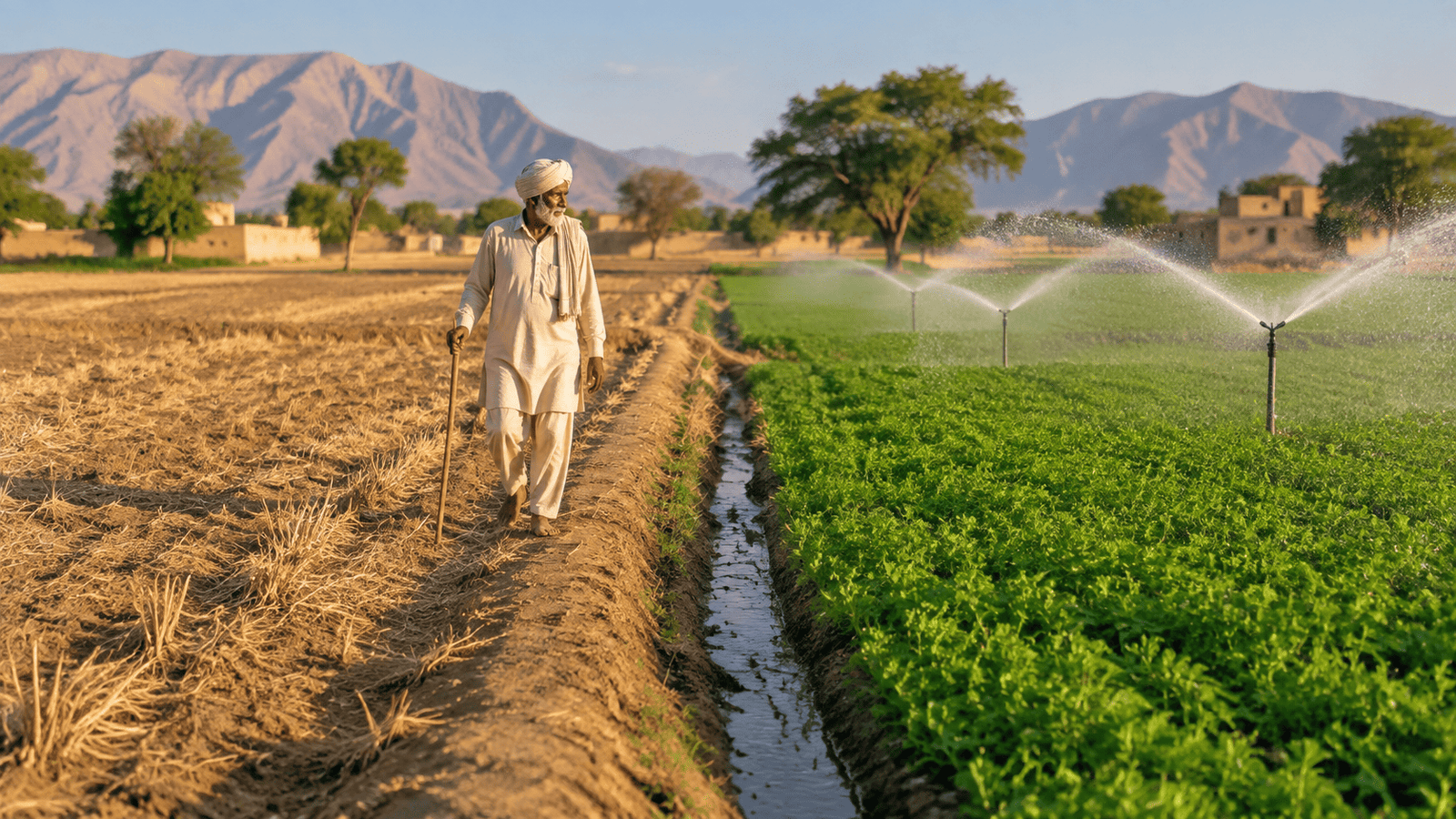
A troubleshooting guide to the major challenges dryland farmers face — low rainfall, erosion, low yields, pests, and market risk — with practical solutions.
Read More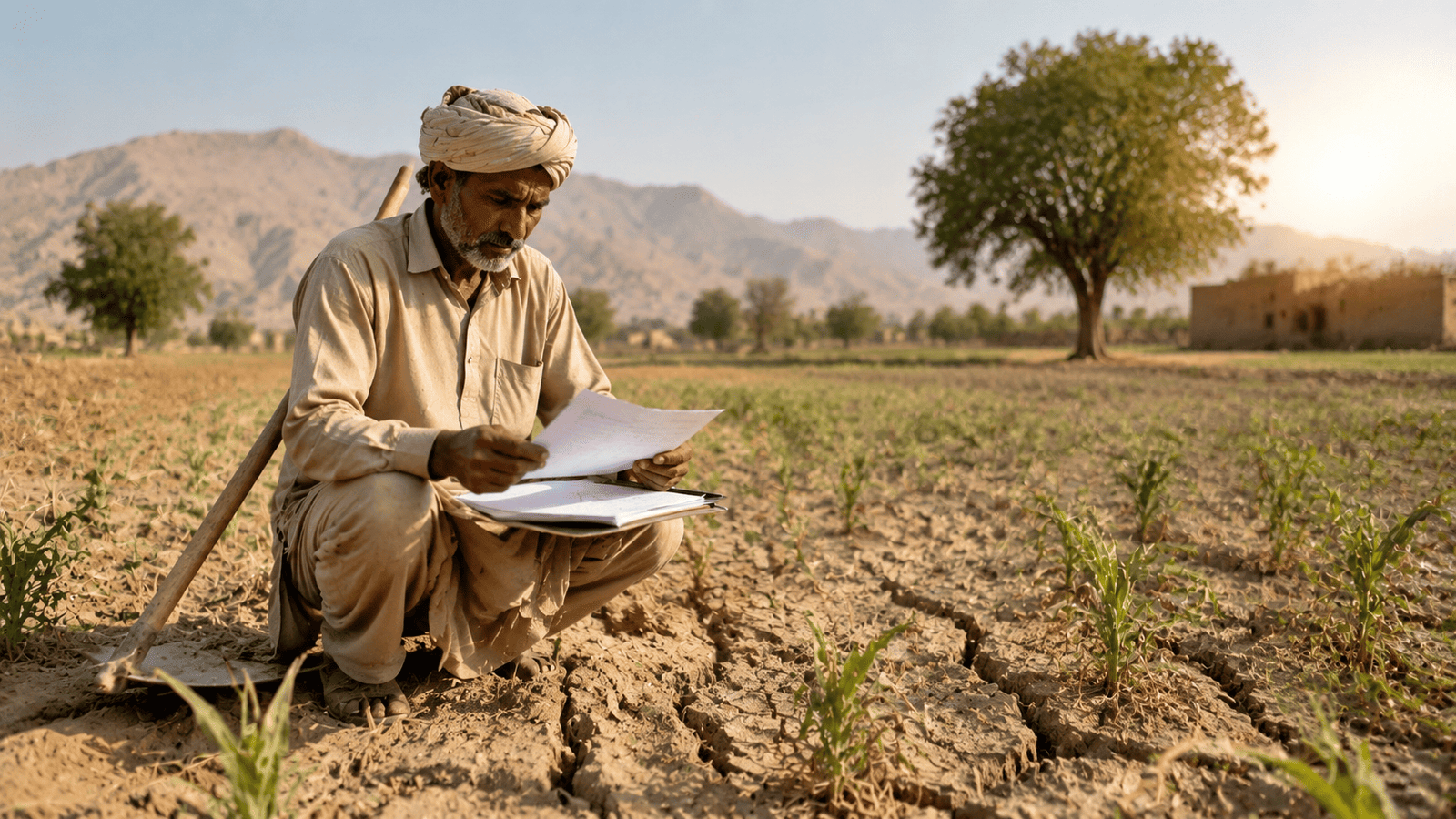
A balanced comparison of dryland farming and irrigated farming — costs, yield, risk, water use, sustainability, and which fits which situation.
Read More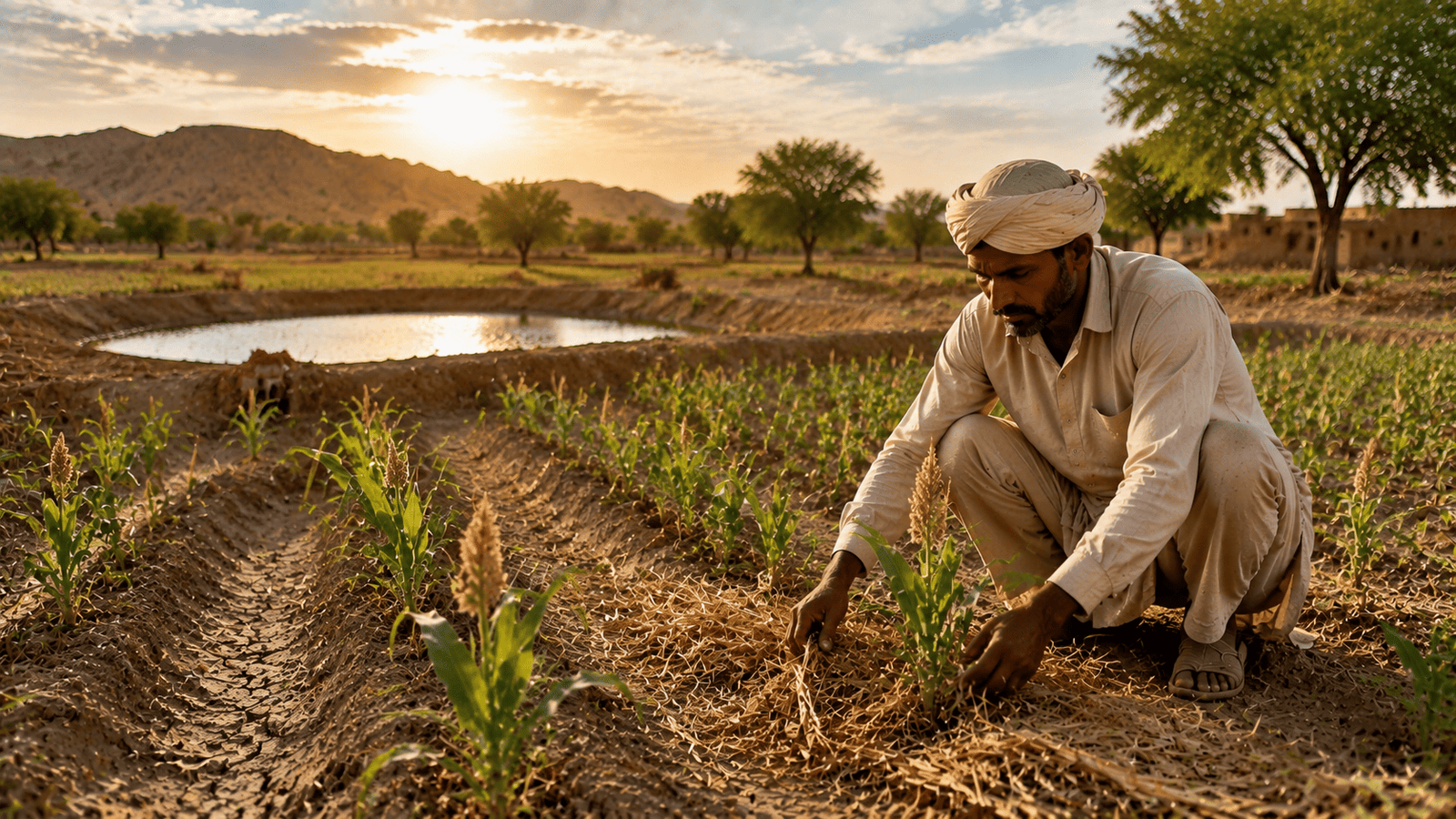
A global framework for the types of government support available to dryland farmers worldwide, and how to find the current, official programs in your own country.
Read More